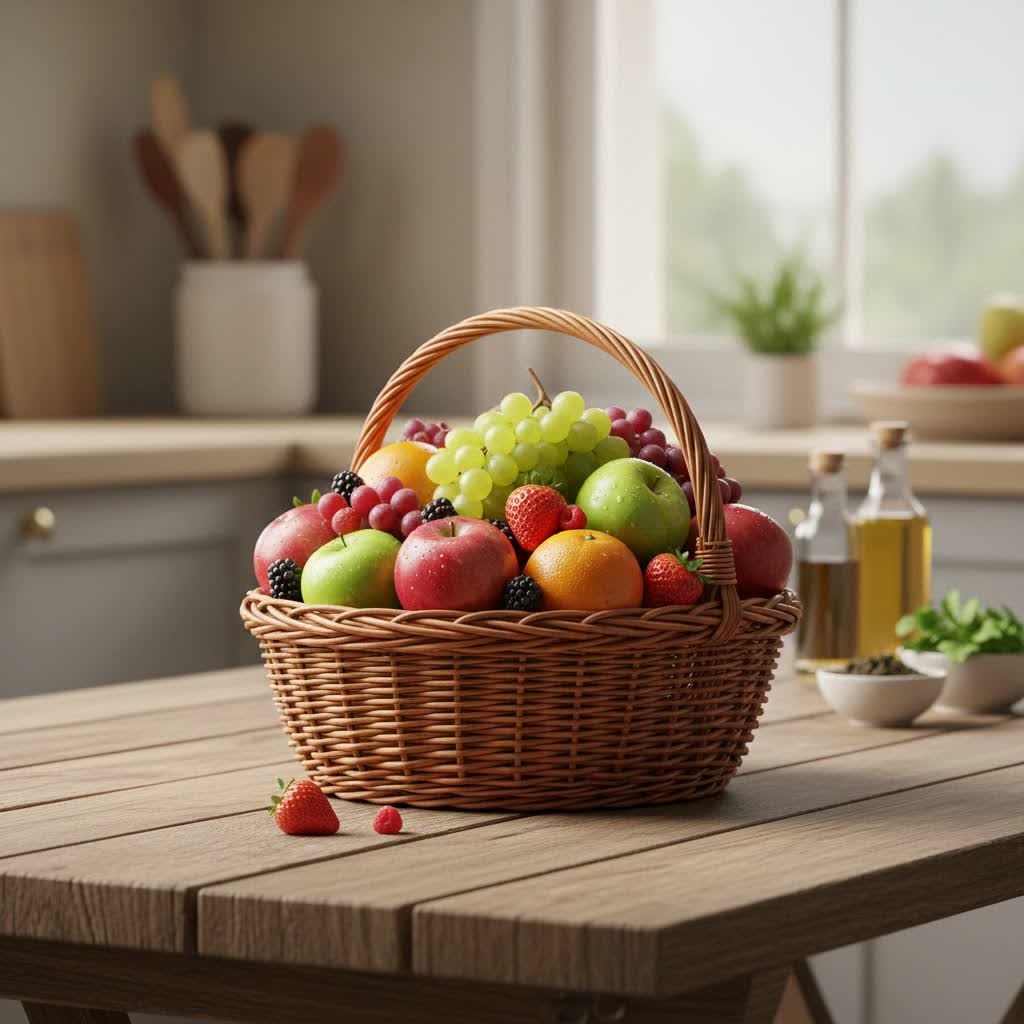
Are your kitchen countertops perpetually cluttered with an assortment of fruits and vegetables? Do you dream of a more organized, aesthetically pleasing space that also keeps your produce fresh longer? A hanging fruit and vegetable basket might be the elegant and practical solution you’ve been searching for. These versatile kitchen essentials not only reclaim valuable counter space but also introduce a touch of charm and efficiency to any home.
Discovering the Diverse World of Hanging Fruit and Vegetable Baskets
Hanging baskets come in an array of materials and designs, each offering unique benefits and aesthetic appeal. Understanding the common types can help you choose one that perfectly complements your kitchen decor and lifestyle.
Popular Materials and Styles
- Metal Baskets: Often crafted from wire or alloy steel, metal hanging baskets are renowned for their durability and robust construction. They frequently feature multi-tiered designs and come in finishes like matte black, chrome, or copper, offering a sleek, modern, or industrial look. Their open design ensures excellent air circulation, crucial for keeping produce fresh.
- Pros: Very sturdy, easy to clean, excellent ventilation, can hold heavier items.
- Cons: Can be heavier to install, may not suit all decor styles.
- Woven Baskets: Including materials like macramé, jute, rattan, and bamboo, woven baskets bring a natural, bohemian, or farmhouse aesthetic to your kitchen. Macramé hangers often cradle individual bowls or create woven tiers, while rattan and bamboo offer more structured basket forms. These materials add texture and warmth.
- Pros: Eco-friendly, lightweight, adds natural charm, good air circulation.
- Cons: Can be harder to clean, susceptible to mold in high humidity, may be less durable over time than metal.
- Porcelain Baskets: For those seeking a sophisticated and artistic touch, porcelain hanging baskets present a unique option. These often feature hand-carved textures and are suspended with high-quality cording, doubling as a modern art piece.
- Pros: Elegant, unique aesthetic, easy to wipe clean.
- Cons: Fragile, typically higher cost, may have limited capacity.
- Plastic Baskets: While less common for aesthetic hanging produce storage, plastic options exist, often prioritizing practicality and affordability. They are usually lightweight and come in diverse colors and shapes.
- Pros: Very affordable, wide variety of designs, easy to clean.
- Cons: Less durable, can look less elegant, less environmentally friendly.
Most hanging baskets feature a tiered structure, allowing you to store various fruits and vegetables without them touching, which can prevent premature ripening. You’ll find options designed to hang from the ceiling, beneath cabinets, or mounted directly to a wall, catering to different kitchen layouts and storage needs.
Why Every Kitchen Needs a Hanging Fruit and Vegetable Basket
Beyond their visual appeal, hanging baskets offer a multitude of practical advantages that can significantly improve your kitchen’s functionality and your family’s healthy eating habits.
Reclaim Your Countertops
|
Our Picks for the Best Fruit Basket in 2026
As an Amazon Associate I earn from qualifying purchases.
|
||
| Num | Product | Action |
|---|---|---|
| 1 | 3-Tier Wooden Fruit Basket – Rubberwood Countertop Produce Storage with Metal Frame – Minimal Scandinavian Design Fruit Stand for Kitchen Counter, Space-Saving Tiered Basket Organizer |

|
| 2 | Auledio Iron 2-Tier Countertop Fruit Vegetables Basket Bowl Storage With Banana Hanger, Black, 64 ounces |
|
| 3 | 2 Tier Large Fruit Basket for Kitchen Counter with 2 Banana Hangers, Metal Stackable Fruit Bowl for Kitchen Counter for Bread Vegetable Fruits, Black |
|
| 4 | 2 Tier Fruit Basket for Kitchen Counter - Detachable Metal Fruit Bowl with 2 Banana Hangers for Corner , Large Capacity Fruit Stand with Wooden Handle for Fruit Bread Veggies Storage |
|
| 5 | 2 Tier Large Fruit Basket for Kitchen Counter with Removable Banana Hanger - Sturdy Iron Fruit Bowl for Kitchen Counter and Vegetable Holder, Fruit Holder for Kitchen Countertop, Black |
|
| 6 | ANTOPY 2 Tier Fruit Basket with 2 Banana Hangers, Countertop Fruit Vegetable Basket Bowl for Kitchen Counter Metal Wire Fruits Storage Stand Holder Organizer for Bread Snack Veggies Produce |
|
| 7 | 2-tier Fruit Basket Bowl,Metal Basket with Wooden Base,Fruit and Vegetable Storage with Banana Hanger,Fruit Basket for Kitchen Counter Organizer. |
|
| 8 | 2 Tier Large Fruit Basket for Kitchen Counter with 2 Mobile Banana Hangers, 2026 Pro Detachable Metal Fruit Bowl with Wooden Handle, Fruit Holder for Bread Snack Veggies with Protective Mats |
|
| 9 | Remerry 2 Pcs Scalloped Edge Round Basket Hand Woven Paper Rope Storage Basket for Shelf Nursery Room Table Organizing, Easter Party Supplies |
|
| 10 | 3-Piece Rattan Basket Set with Lids – Handcrafted Vietnamese Woven Organizers, Tapered Design (S/M/L) (1 Pack Rectangular Open-Top, 11 Inch (28 cm)) |
|
One of the most immediate and appreciated benefits is the liberation of precious counter space. In kitchens of all sizes, especially smaller ones, maintaining clear countertops can be a constant battle. By utilizing vertical space, hanging baskets lift produce off your surfaces, making your kitchen feel more open, organized, and ready for meal preparation. This decluttering also contributes to a cleaner kitchen environment overall.
Enhance Produce Freshness
Unlike storing fruits and vegetables in enclosed drawers or piled in a traditional bowl, hanging baskets promote optimal air circulation. This improved airflow is vital for many types of produce, such as onions, garlic, citrus, avocados, and bananas, as it helps slow down the ripening process and prevents moisture build-up that can lead to spoilage and mold. Keeping produce well-ventilated can significantly extend its shelf life.
Encourage Healthier Snacking
When fruits and vegetables are displayed prominently and are easily accessible, people are naturally more inclined to reach for them. A vibrant hanging basket filled with colorful produce serves as a visual invitation to healthy snacking, encouraging both adults and children to make nutritious choices throughout the day. This simple change can be a powerful tool in fostering a healthier lifestyle.
Boost Your Kitchen’s Aesthetic Appeal
Beyond functionality, hanging fruit and vegetable baskets are a fantastic way to add character and warmth to your kitchen. Whether you opt for the rustic charm of a macramé hanger, the sleek lines of a metal tiered basket, or the unique elegance of porcelain, these pieces can act as a decorative focal point. They introduce texture, color, and a touch of curated style, transforming ordinary produce into an edible display.
How to Choose the Perfect Hanging Fruit and Vegetable Basket
Selecting the right hanging basket involves considering your specific needs, kitchen style, and the types of produce you typically store.
Assess Your Storage Needs
- Capacity: How much fruit and vegetables do you usually keep at room temperature? If you buy in bulk, a multi-tiered or larger basket will be more suitable.
- Space: Measure the available vertical space in your kitchen. Do you have an open ceiling area, space under a cabinet, or a blank wall? This will dictate whether a ceiling-mounted, under-cabinet, or wall-mounted design is best.
- Produce Type: Consider the weight and size of your typical produce. Heavier items like potatoes or onions require sturdy materials like metal or robust woven designs. Bananas, which release ethylene gas, are often best kept slightly separate or in their own section if the basket allows.
Match Your Kitchen Decor
The material and style of your hanging basket should harmonize with your existing kitchen aesthetic:
- Modern/Industrial: Sleek metal (wire, alloy steel) baskets in black, chrome, or copper finishes.
- Bohemian/Farmhouse/Rustic: Woven options like macramé, jute, rattan, or bamboo.
- Minimalist/Contemporary: Clean-lined metal or elegant porcelain designs.
Consider Installation and Durability
Think about where you plan to hang the basket and the necessary installation. Ceiling or under-cabinet hooks require secure anchoring. Wall-mounted baskets free up more overhead space. Always check the weight capacity of the basket and ensure your chosen installation point can support it, especially when full. Look for quality craftsmanship and materials that promise longevity, such as rust-resistant metals or tightly woven natural fibers.
Installing Your Hanging Fruit and Vegetable Basket
Proper installation is key to ensuring your hanging basket is secure and safe. Always prioritize safety and double-check your work.
Essential Tools
- Stud finder (for ceilings/walls)
- Drill and appropriate drill bits
- Pencil
- Measuring tape
- Ceiling hook or wall bracket designed for adequate weight
- Pliers (if assembling chain links)
Step-by-Step Installation Guide
- Locate a Secure Spot: Use a stud finder to locate a ceiling joist or wall stud. This is crucial for supporting the weight of a filled basket. Avoid hanging heavy baskets directly into drywall without a suitable anchor.
- Mark the Installation Point: Hold the basket (or just its hanging mechanism) in place to determine the ideal height and position. Mark the spot with a pencil. Consider accessibility and clearance.
- Drill a Pilot Hole: Using a drill bit slightly smaller than your hook’s screw thread, drill a pilot hole at your marked spot. For masonry walls, you’ll need a masonry drill bit and wall plugs.
- Install the Hook/Bracket: Screw the hanging hook or wall bracket firmly into the pilot hole. Use pliers for extra leverage if needed, ensuring it is tightened until no threads are visible and it feels completely secure.
- Assemble the Basket (if needed): If your basket comes in multiple pieces (e.g., separate tiers with chains), assemble them according to the manufacturer’s instructions, ensuring all connections are secure. Evenly space out chains for proper balance.
- Hang Your Basket: Carefully lift and hang your fruit and vegetable basket onto the installed hook or bracket. Give it a gentle tug to confirm its stability before adding produce.
Maintaining Your Hanging Basket for Lasting Beauty
Regular care will keep your hanging fruit and vegetable basket looking its best and ensure your produce stays fresh.
- Cleaning Metal Baskets: Wipe down metal baskets with a damp cloth and mild soap. Dry thoroughly to prevent rust, especially for non-stainless steel options. For stubborn stains, a non-abrasive cleaner can be used.
- Cleaning Woven Baskets: For macramé, jute, rattan, or bamboo, lightly dust regularly. For deeper cleaning, gently wipe with a damp cloth and a very diluted mild soap solution, then allow to air dry completely in a well-ventilventilated area to prevent mold. Avoid soaking.
- Cleaning Porcelain Baskets: Porcelain is generally easy to clean with warm, soapy water. Avoid abrasive scrubbers that could scratch the surface.
- Preventing Mold and Pests:
- Inspect produce before placing it in the basket, removing any overly ripe or damaged items.
- Ensure good air circulation around the basket and its contents.
- Regularly empty and clean the baskets to remove any food residue or crumbs that could attract pests.
- Avoid placing items that spoil quickly or release excessive moisture directly into the basket.
Comparison of Popular Hanging Basket Materials
| Feature | Woven (Bamboo, Rattan, Macramé) | Metal (Wire, Alloy Steel) | Plastic | Porcelain |
|---|---|---|---|---|
| Pros | Eco-friendly, lightweight, natural aesthetic, good air circulation | Highly durable, strong, easy to clean, excellent ventilation | Inexpensive, lightweight, diverse colors/designs, easy to clean | Elegant, unique, easy to wipe clean |
| Cons | Can be harder to clean, susceptible to mold, less durable than metal | Can be heavy, may rust if not rust-resistant, aesthetic not for all | Less elegant, less durable, not eco-friendly | Fragile, often higher cost, limited capacity |
| Ideal for Style | Bohemian, Farmhouse, Rustic | Modern, Industrial, Minimalist | Casual, Functional, Budget-conscious | Contemporary, Artistic, High-end |
Final Thoughts on Hanging Fruit and Vegetable Baskets
A hanging fruit and vegetable basket is more than just a storage solution; it’s a statement piece that enhances your kitchen’s aesthetics and promotes a healthier lifestyle by keeping fresh produce visible and accessible. By choosing the right material, style, and ensuring proper installation, you can transform your kitchen into a clutter-free, functional, and visually appealing space.
What kind of delicious, healthy treats will you fill your new hanging basket with?
Frequently Asked Questions
What kind of fruits and vegetables can I store in a hanging basket?
Most non-refrigerated produce thrives in hanging baskets, including apples, oranges, bananas, potatoes, onions, garlic, and avocados. The open design promotes air circulation, which is beneficial for ripening and extends freshness. Avoid delicate items that bruise easily or require refrigeration.
How many tiers should a hanging fruit basket have?
The ideal number of tiers depends on your storage needs and available space. A 2-tier basket is great for smaller households or limited space, while 3-tier or even 5-tier options provide ample storage for larger families or those who buy produce in bulk. Consider the height clearance in your chosen hanging spot.
Can hanging baskets help ripen fruits more effectively?
Yes, hanging baskets can aid in the ripening process for certain fruits. The improved air circulation prevents moisture buildup and allows fruits to ripen more evenly than when stacked in a bowl or drawer. For fruits that release ethylene gas, like bananas, separating them slightly from other produce within a multi-tiered basket can prevent premature ripening of other items.
Get our weekly buyer guide
Practical specs, not advice. Unsubscribe anytime.
