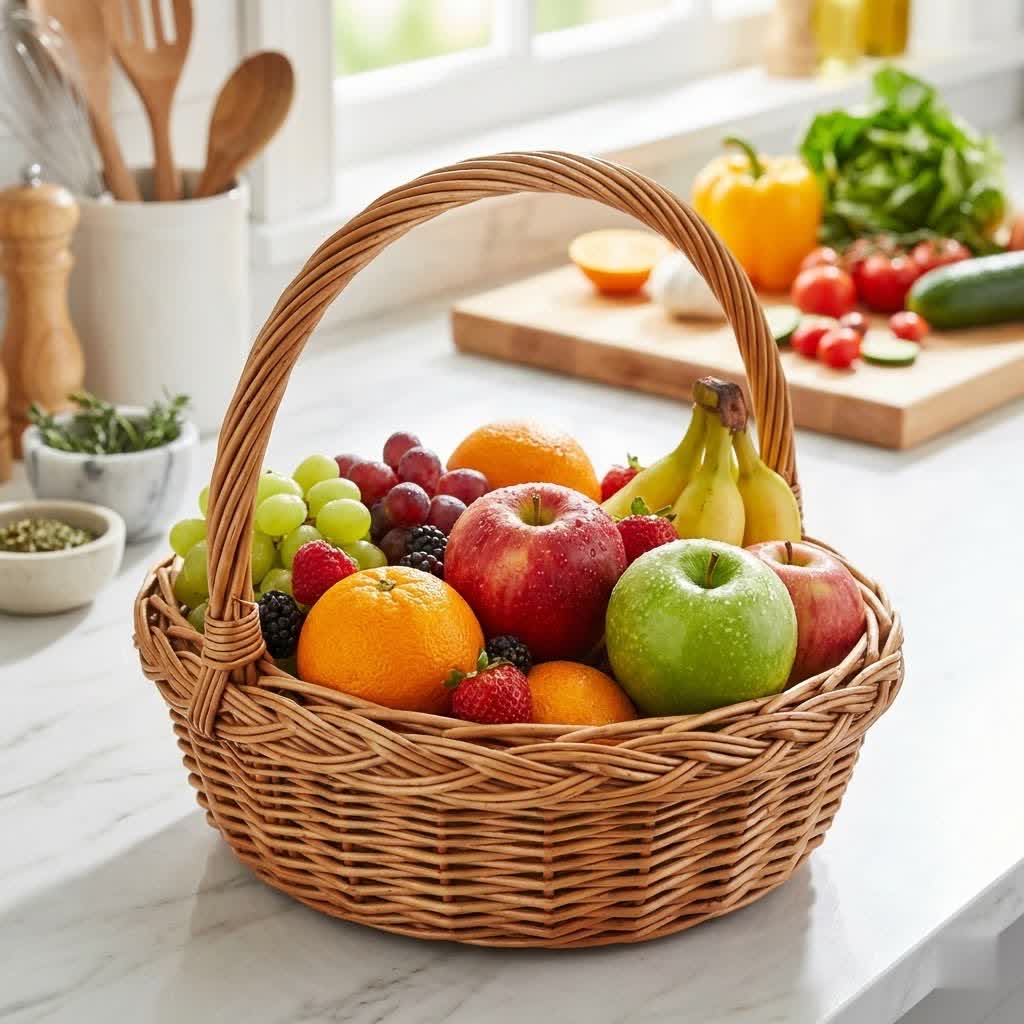
A beautifully presented fruit basket transcends its simple function as a container, becoming a vibrant focal point that enhances your kitchen or dining area. More than just a storage solution, a thoughtfully chosen decorative fruit basket can infuse warmth, color, and a touch of nature into your living space, making it an indispensable element in modern home decor. But with a myriad of styles, materials, and designs available, selecting the ideal basket requires careful consideration. This guide will help you navigate the options, ensuring you find a decorative fruit basket that is not only visually appealing but also perfectly suited to your needs and lifestyle.
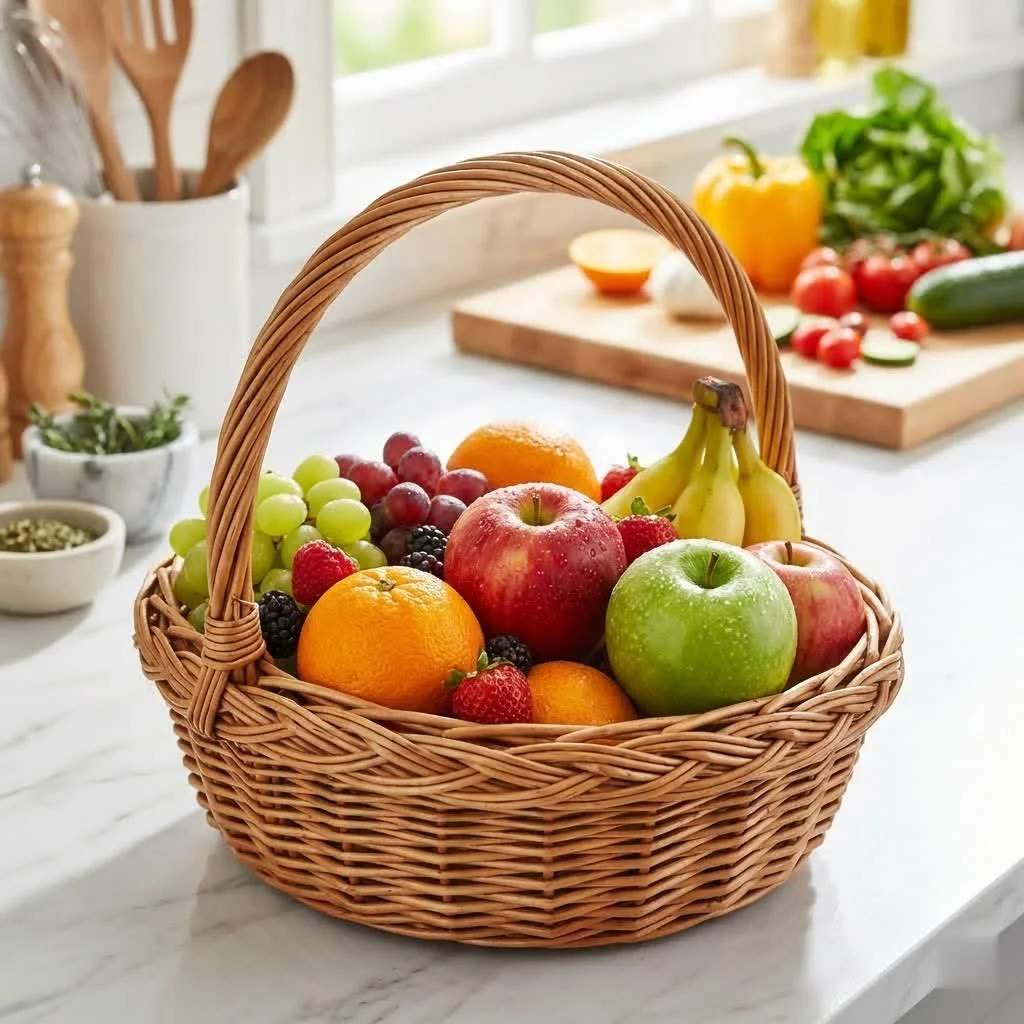
Popular Types of Decorative Fruit Baskets
The world of decorative fruit baskets is rich with diversity, offering a range of materials, each bringing its own unique aesthetic and practical advantages. Understanding these differences is key to making an informed choice for your home.
Bamboo, Wicker, and Rattan Baskets
These natural, woven materials evoke a rustic, organic charm that can complement various interior styles, from bohemian to farmhouse.
- Advantages: Bamboo, wicker, and rattan baskets are celebrated for their environmental friendliness and excellent breathability, which is crucial for prolonging the freshness of fruits by allowing air circulation. Their intricate woven patterns add texture and visual interest. Bamboo, in particular, is naturally resistant to bacteria.
- Disadvantages: These materials can be susceptible to mold if exposed to excessive moisture and may require careful cleaning to get into the weaves. They also need to be kept dry to prevent deterioration.
Wooden Fruit Baskets
Wooden baskets offer a timeless elegance and robustness that can elevate any setting. They range from solid, handcrafted pieces to more rustic slatted designs.
- Advantages: Wood provides a sophisticated and natural aesthetic, contributing to a warm and inviting atmosphere. It is generally durable and can be a long-lasting addition to your home.
- Disadvantages: Wooden baskets often come with a higher price tag. They can also be prone to termites or mold if not properly maintained, requiring regular care and avoiding prolonged exposure to moisture.
Metal Fruit Baskets
From sleek, minimalist designs to ornate, sculptural forms, metal fruit baskets are known for their modern appeal and durability. Wire mesh designs are particularly popular for fruit storage.
- Advantages: Metal baskets are exceptionally sturdy, durable, and easy to clean, making them a practical choice for busy households. Wire mesh designs, in particular, offer superior airflow, which is paramount for keeping fruit fresh by preventing moisture build-up and sweating. They are also less prone to staining.
- Disadvantages: Solid metal bowls may cause fruit to sweat due to lack of airflow. Without proper anti-rust treatment, some metal baskets can be susceptible to rust, and direct sunlight can cause discoloration over time. They might not always convey the “high-end” aesthetic of other materials if not well-designed.
Plastic Fruit Baskets
|
Our Picks for the Best Fruit Basket in 2026
As an Amazon Associate I earn from qualifying purchases.
|
||
| Num | Product | Action |
|---|---|---|
| 1 | Auledio Iron 2-Tier Countertop Fruit Vegetables Basket Bowl Storage With Banana Hanger, Black, 64 ounces |

|
| 2 | 2 Tier Fruit Basket for Kitchen Counter - Detachable Metal Fruit Bowl with 2 Banana Hangers for Corner , Large Capacity Fruit Stand with Wooden Handle for Fruit Bread Veggies Storage |
|
| 3 | 3-Piece Rattan Basket Set with Lids – Handcrafted Vietnamese Woven Organizers, Tapered Design (S/M/L) (1 Pack Rectangular Open-Top, 11 Inch (28 cm)) |
|
| 4 | Remerry 2 Pcs Scalloped Edge Round Basket Hand Woven Paper Rope Storage Basket for Shelf Nursery Room Table Organizing, Easter Party Supplies |
|
| 5 | 2 Tier Large Fruit Basket for Kitchen Counter with Removable Banana Hanger - Sturdy Iron Fruit Bowl for Kitchen Counter and Vegetable Holder, Fruit Holder for Kitchen Countertop, Black |
|
| 6 | 2-tier Fruit Basket Bowl,Metal Basket with Wooden Base,Fruit and Vegetable Storage with Banana Hanger,Fruit Basket for Kitchen Counter Organizer. |
|
| 7 | 3-Tier Wooden Fruit Basket – Rubberwood Countertop Produce Storage with Metal Frame – Minimal Scandinavian Design Fruit Stand for Kitchen Counter, Space-Saving Tiered Basket Organizer |
|
| 8 | ANTOPY 2 Tier Fruit Basket with 2 Banana Hangers, Countertop Fruit Vegetable Basket Bowl for Kitchen Counter Metal Wire Fruits Storage Stand Holder Organizer for Bread Snack Veggies Produce |
|
| 9 | 2 Tier Large Fruit Basket for Kitchen Counter with 2 Mobile Banana Hangers, 2026 Pro Detachable Metal Fruit Bowl with Wooden Handle, Fruit Holder for Bread Snack Veggies with Protective Mats |
|
| 10 | 2 Tier Large Fruit Basket for Kitchen Counter with 2 Banana Hangers, Metal Stackable Fruit Bowl for Kitchen Counter for Bread Vegetable Fruits, Black |
|
Plastic baskets are a ubiquitous option, known for their versatility in design and affordability.
- Advantages: These baskets are lightweight, easy to carry, and available in an extensive array of colors and shapes, offering great flexibility in matching decor. They are generally inexpensive and simple to clean.
- Disadvantages: Plastic baskets might not offer the same level of aesthetic sophistication as natural or metal alternatives. Certain plastic types can cause fruit to sweat due to poor airflow, leading to faster decay. They are also generally less environmentally friendly than natural materials.
Ceramic Fruit Bowls
While often more of a bowl than a basket, ceramic pieces serve a similar decorative function and offer distinct advantages for fruit storage.
- Advantages: Ceramic bowls can be highly artistic and decorative, adding a touch of craftsmanship to your display. They promote good air circulation, especially if they have an open design or perforations, which helps to keep fruit fresh.
- Disadvantages: Ceramic is heavier and more fragile than other materials, making it prone to chipping or breaking if dropped.
Comparing Best-Selling Fruit Basket Models
When choosing a decorative fruit basket, comparing popular models helps pinpoint the best fit for your space and needs. Leading designs often balance aesthetic appeal with practical features like optimal fruit preservation and ease of maintenance. Here’s a detailed comparison focusing on key attributes:
| Feature | Bamboo/Wicker/Rattan | Wood | Metal (Wire Mesh) | Plastic |
|---|---|---|---|---|
| Aesthetic | Rustic, natural, bohemian, handcrafted | Classic, elegant, warm, sophisticated | Modern, minimalist, industrial, sleek | Versatile, casual, colorful, functional |
| Durability | Good, but can be fragile if mishandled or overly dry | High, very sturdy and long-lasting | Very high, robust, resistant to impact | Moderate, can become brittle over time |
| Airflow | Excellent (woven structure allows breathability) | Moderate (depends on design; slatted is better) | Excellent (especially wire mesh designs) | Poor (solid designs can trap moisture) |
| Maintenance | Requires gentle cleaning, needs to be kept dry | Regular cleaning, may need protection from mold | Easy to wipe clean, some need anti-rust care | Very easy to clean |
| Fruit Freshness | Excellent (due to airflow) | Good (if design allows airflow) | Excellent (promotes air circulation) | Moderate to poor (can cause sweating) |
| Cost | Moderate to high | High | Moderate to high | Low |
| Best For | Adding organic texture, rustic/boho decor | Formal settings, classic interiors, long-term use | Contemporary kitchens, fruit visibility, airflow | Budget-friendly, casual use, children’s areas |
For a minimalist kitchen, a sleek, chrome wire-mesh basket might be ideal, offering both modern aesthetics and superior airflow for fruit. A cozy, rustic dining room could benefit from a beautifully woven wicker or bamboo basket that adds warmth and texture. Those seeking a luxurious touch might opt for a carved wooden bowl or a high-end ceramic piece with a unique glaze. The most sought-after models often combine practicality with an eye-catching design that enhances the overall kitchen aesthetic.
Guide to Choosing the Right Decorative Fruit Basket
Selecting a decorative fruit basket involves more than just picking one that looks nice. The perfect basket harmonizes with your lifestyle, decor, and the way you consume fruit.
Assess Your Usage Needs and Space
Before anything else, consider how you intend to use the basket. Will it hold a large family’s weekly fruit haul, or just a few pieces for a single person? Do you prefer to keep all fruits at room temperature, or will some be refrigerated? The quantity of fruit you typically display will dictate the necessary size and depth of your basket. For instance, wide, shallow baskets are excellent for displaying a variety of fresh fruits that need space, while deeper designs might be better for less perishable items or for creating a layered look. Also, evaluate your available display space – a countertop, a kitchen island, or a wall-mounted solution – to determine appropriate dimensions and whether a multi-tiered option is viable. Overcrowding fruit in a basket can lead to bruising and accelerated ripening, so choose a size that allows ample breathing room for each piece.
Align with Your Interior Decor Style
Your decorative fruit basket should be an extension of your home’s aesthetic. A modern, minimalist kitchen might call for a sleek metal or ceramic design with clean lines. For a farmhouse or bohemian interior, natural materials like bamboo, wicker, or a rustic wooden basket would blend seamlessly, adding organic texture and warmth. If your decor is more traditional or elegant, a polished wooden bowl or an ornate metal basket could be the perfect fit. Consider the existing color palette, material finishes, and overall ambiance of your room to ensure your new fruit basket enhances, rather than clashes with, your style.
Prioritize Fruit Freshness and Air Circulation
One of the most critical, yet often overlooked, factors is how the basket facilitates fruit preservation. Fruit needs air circulation to stay fresh longer; confined spaces can cause fruit to sweat, leading to faster decay and mold growth.
- Opt for breathable designs: Wire mesh, slatted wood, wicker, or ceramic bowls with perforations are excellent choices as they allow air to flow freely around each piece of fruit.
- Avoid solid, non-porous materials for sensitive fruits: Solid plastic or certain metal bowls can trap moisture, which is detrimental to delicate fruits like berries. If you love displaying a wide variety of fresh produce, prioritize baskets that actively promote airflow.
Evaluate Material Quality and Durability
A decorative fruit basket should be built to last. Invest in materials known for their quality and durability to ensure your basket withstands daily use. Check for sturdy construction, smooth finishes, and robust joints. For natural materials like wood or bamboo, look for signs of proper treatment against moisture and pests. For metal, assess the finish for rust resistance. While plastic options are often budget-friendly, consider the quality of the plastic to avoid brittle materials that crack easily. A well-made basket will not only serve its purpose for years but also maintain its aesthetic appeal.
> “A beautiful fruit basket is more than just a container; it’s a decorative accent that breathes life and freshness into your kitchen space.”
Tips for Maintaining Your Decorative Fruit Basket
Keeping your decorative fruit basket clean and well-maintained is essential not only for its longevity but also for ensuring the freshness and hygiene of your produce. Different materials require specific care to prevent damage and preserve their aesthetic appeal.
General Cleaning and Care
Regular cleaning is the cornerstone of maintaining any fruit basket. Ideally, you should clean your decorative fruit bowl after each batch of fruit or at least once a week to prevent the buildup of residue, bacteria, and potential fruit flies. Start by emptying the basket completely. Use a soft-bristled brush or a damp cloth to gently remove any dirt or fruit remnants. For a deeper clean, a mild detergent mixed with lukewarm water can be used. After washing, rinse thoroughly to remove all soap residue and ensure the basket is completely dry before placing any new fruit inside. Moisture is a primary culprit for accelerating fruit spoilage and encouraging mold growth, so thorough drying is crucial.
Specific Care for Different Materials
- Bamboo, Wicker, and Rattan: These woven baskets are sensitive to excessive moisture. To clean, gently shake out any loose debris. Use a damp cloth or a soft brush with a solution of mild soap and water, making sure not to soak the material. Wipe in the direction of the weave. Rinse lightly with a clean, damp cloth and then air dry completely, but not in direct sunlight, as this can cause warping or discoloration. Keeping them dry is paramount to prevent mold growth.
- Wood: Wooden baskets should be wiped down with a damp cloth. For stubborn stains, a small amount of mild wood cleaner can be used, followed by a thorough drying. To prevent mold and insects, avoid leaving wooden baskets wet for extended periods and consider occasional conditioning with food-safe wood oil.
- Metal (including Wire Mesh): Metal baskets are generally the easiest to clean. A simple wipe with a damp cloth and mild detergent is often sufficient. For wire mesh, a brush can help reach tight spots. Ensure metal baskets are dried thoroughly to prevent rust, especially for those without a rust-resistant coating. Avoid abrasive cleaners that could scratch the finish.
- Plastic: Plastic baskets can be washed with warm soapy water and a sponge. They are often dishwasher safe, offering a convenient cleaning option. Ensure they are completely dry before reuse.
- Ceramic: These can be washed by hand with dish soap and water. For any fruit stains, a gentle scrubbing brush might be needed. Ceramic is non-porous and easy to sanitize.
Preventing Mold, Pests, and Premature Spoilage
- Proper Storage Environment: Always store your fruit basket in a cool, dry place away from direct sunlight and heat sources. Heat can accelerate ripening and spoilage, while humidity encourages mold.
- Avoid Overcrowding: Give fruits space to “breathe.” Overcrowding prevents air circulation, leading to bruising and faster decay.
- Remove Damaged Fruit: Inspect your fruit regularly. If you notice any bruised, moldy, or overripe fruit, remove it immediately. One bad apple can indeed spoil the bunch by releasing ethylene gas, which speeds up the ripening process of nearby fruits.
- Ethylene-Producing Fruits: Some fruits, such as apples, bananas, peaches, and pears, release ethylene gas. Store these separately from ethylene-sensitive fruits like berries, grapes, and citrus, if you want to prolong the life of the latter.
- Wash Just Before Eating: Do not wash fruit until you are ready to consume it. Excess moisture on the surface of stored fruit can encourage bacterial growth and spoilage.
Buying Guide: Finding Your Ideal Decorative Fruit Basket
The journey to finding the perfect decorative fruit basket culminates in making a smart purchasing decision. Here’s a comprehensive guide to help you choose wisely.
Key Factors to Consider
- Size and Capacity: As discussed, match the basket’s size to the typical quantity of fruit you’ll display and the available space. A basket that’s too small will overcrowd fruit, while one that’s too large might look sparse. Consider multi-tiered options if counter space is limited but capacity is needed.
- Material: Revisit the pros and cons of bamboo, wood, metal, plastic, and ceramic. Your choice should balance aesthetic preference, durability requirements, ease of maintenance, and the material’s impact on fruit freshness (e.g., wire mesh for maximum airflow).
- Style and Design: The basket should complement your home decor. Look for designs that resonate with your existing aesthetic, whether it’s rustic, modern, minimalist, or traditional. Consider unique features like integrated banana hangers or decorative accents that add character.
- Airflow Design: For optimal fruit preservation, prioritize baskets with open structures, such as wire mesh, slatted wood, or woven patterns, that allow air to circulate freely around the fruit. Avoid deep, solid containers that can trap moisture.
- Quality and Craftsmanship: Inspect the product for robust construction, smooth edges, and a quality finish. For natural materials, ensure there are no splinters or weak points. For metal, check for a durable, rust-resistant coating.
- Price: Set a budget, but remember that a higher-quality basket often translates to better durability and aesthetic appeal, offering long-term value.
Where to Purchase Your Decorative Fruit Basket
- Home Goods Stores: Retailers specializing in home decor and kitchenware offer a wide selection of fruit baskets in various styles and materials. This allows you to see and feel the product before buying.
- Department Stores: Larger department stores typically have dedicated kitchen or home sections where you can find both functional and decorative fruit baskets, often from well-known brands.
- Online Marketplaces: E-commerce platforms provide an unparalleled selection, often at competitive prices, with detailed product descriptions and customer reviews. This is an excellent avenue for finding unique designs or specialty materials. Be sure to check return policies and shipping costs.
- Specialty Craft Shops: For those seeking unique, handcrafted, or artisan baskets, local craft markets or specialty stores can offer exquisite, one-of-a-kind pieces, often made from sustainable materials.
Tips for Finding Quality and Value
- Read Reviews: When shopping online, customer reviews are invaluable for gauging product quality, durability, and how well the item lives up to its description. Pay attention to comments regarding fruit freshness and ease of cleaning.
- Compare Features: Don’t just compare prices. Look at the material, size, design features, and reported durability across different models and brands. A slightly more expensive basket with superior airflow or craftsmanship may save you money in the long run by extending the life of your fruit and the basket itself.
- Check for Warranty/Return Policy: Especially for higher-priced items, a good warranty or flexible return policy provides peace of mind.
- Consider Sustainability: If environmental impact is a concern, look for baskets made from sustainable, recycled, or rapidly renewable materials like bamboo.
Conclusion
A decorative fruit basket is much more than a utilitarian item; it’s a statement piece that blends functionality with aesthetic charm. By carefully considering the material, design, and your specific needs, you can select a basket that not only keeps your fruit fresh and accessible but also significantly enhances the beauty and warmth of your home. Whether you opt for the organic appeal of bamboo, the timeless elegance of wood, the modern efficiency of metal, or the artistic touch of ceramic, the right fruit basket can transform a simple display of produce into a captivating part of your decor. Choose wisely, care for it well, and let your decorative fruit basket be a testament to both your style and your commitment to fresh, healthy living.
What kind of fruit basket best reflects your personal style and culinary habits?
Frequently Asked Questions
Which fruit basket material is best for keeping fruit fresh?
Wire mesh or ceramic bowls with an open design are often considered best for keeping fruit fresh because they promote excellent air circulation, preventing moisture buildup and reducing the rate of spoilage. Materials like solid plastic or dense metal can trap moisture, causing fruit to sweat and ripen faster.
How often should I clean my decorative fruit basket?
It is recommended to clean your decorative fruit basket regularly, ideally after each batch of fruit has been consumed or at least once a week. This practice helps to remove any residual sugars, dirt, and bacteria, contributing to both the hygiene of your produce and the longevity of your basket.
Can I put all types of fruit together in one decorative basket?
While it’s convenient to store all fruits together, some fruits release ethylene gas (e.g., apples, bananas, peaches) which can accelerate the ripening of other, more sensitive fruits (e.g., berries, citrus). For optimal freshness, consider storing ethylene-producing fruits separately or consuming them more quickly.
How can I prevent mold in my natural fiber fruit basket?
To prevent mold in natural fiber baskets like bamboo or wicker, ensure the basket is always kept in a cool, dry place away from direct sunlight and humidity. After cleaning, thoroughly air dry the basket before refilling it with fruit. Promptly remove any spoiled fruit to prevent mold from spreading.
Get our weekly buyer guide
Practical specs, not advice. Unsubscribe anytime.
