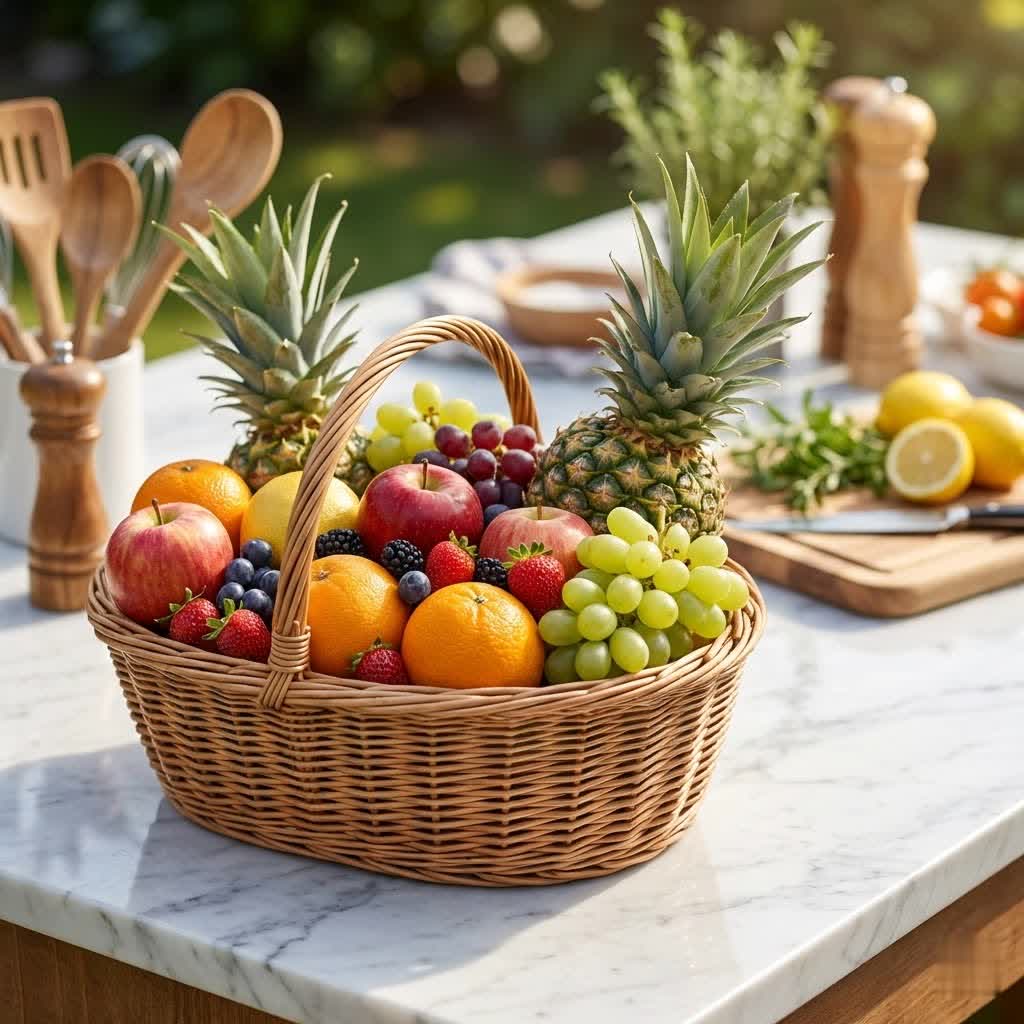
Are you tired of finding bruised apples at the bottom of a cluttered bowl or wondering why your bananas ripen too quickly? Managing fresh produce in the kitchen can often feel like an endless battle against spoilage and disorganization. Yet, a well-chosen fruit basket transcends mere storage; it’s a statement piece that enhances your home’s aesthetic while keeping your produce perfectly presented and longer-lasting. This comprehensive guide will walk you through selecting, styling, and maintaining the ideal fruit basket, transforming it from a simple utility item into a captivating focal point in your home.
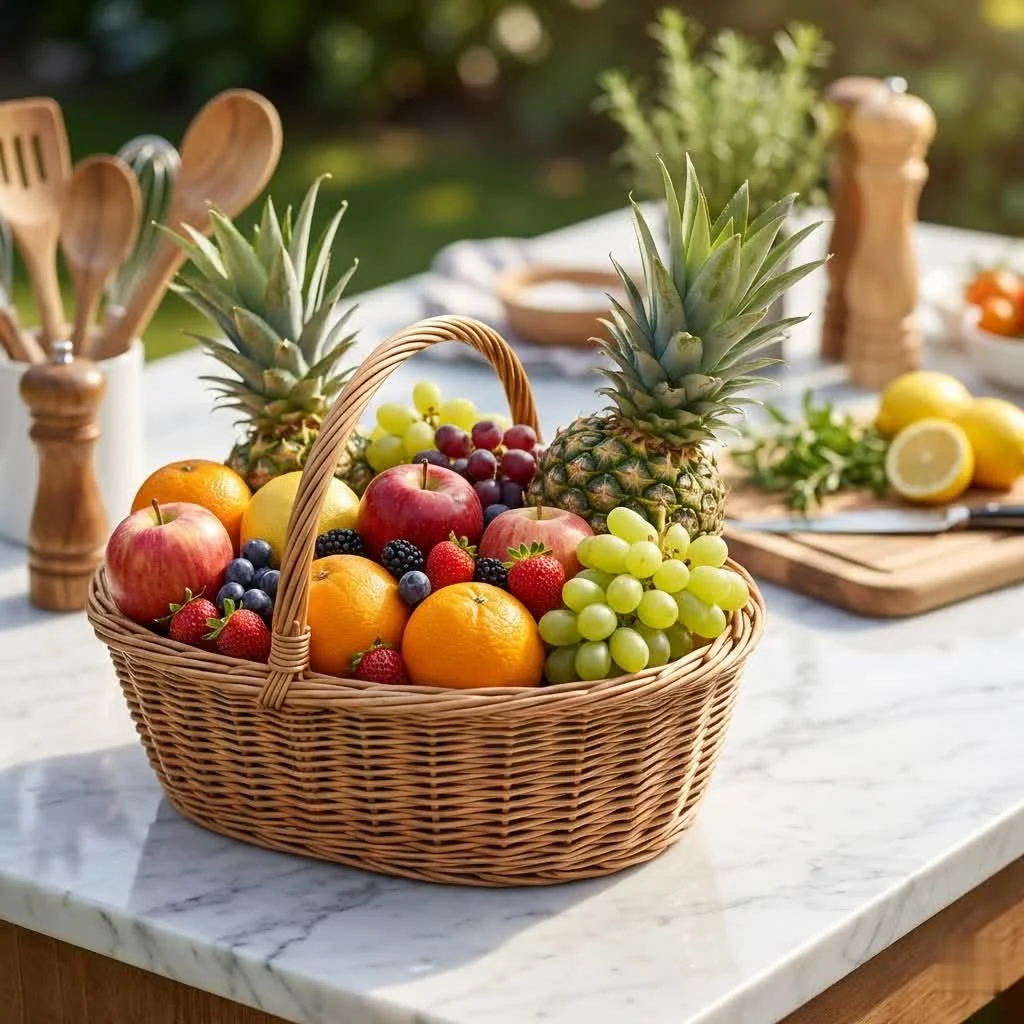
Popular Fruit Basket Types for Every Home
Fruit baskets come in a delightful array of materials, each offering unique benefits for both function and style. Understanding these differences is key to finding the perfect fit for your kitchen and your fruits. For more fruit baskets guides on this site.
Wicker, Rattan, and Cane Baskets:
These handwoven baskets exude a rustic, earthy charm, instantly adding warmth and a natural touch to any decor. Their visible weaving patterns inherently provide excellent air circulation, crucial for fruit longevity.
- Pros: Environmentally friendly, lightweight, natural aesthetic, good ventilation. Often affordable.
- Cons: Can be difficult to clean deeply (cracks and crevices), susceptible to mold if not dried properly, may not be as durable as other materials.
- Best For: Mangoes, oranges, guavas, avocados, or general room-temperature fruits. Many come with soft cloth linings to prevent delicate fruits from abrasion.
Wooden Fruit Baskets:
From elegant mango wood trays to rustic bamboo crates, wooden baskets offer a sophisticated and natural look. They can range from minimalist designs to intricately carved pieces. Wood “breathes,” providing natural air circulation.
- Pros: Durable, adds warmth and luxury, can be very stable, eco-conscious options available.
- Cons: Can be heavier, may absorb moisture leading to potential warping or mold if not cared for, typically higher price point.
- Best For: Dry fruits, berries, figs, or as a sturdy base for heavier fruits like pineapples and melons.
Metal Wire Baskets:
Characterized by their skeletal, grid-like design, metal wire baskets offer a modern, industrial, or minimalist appeal. They are renowned for their exceptional ventilation.
- Pros: Excellent airflow keeps fruits fresh longer, very durable and stable, easy to clean, resistant to mold and pests.
- Cons: Can scratch delicate surfaces if not properly padded, heavier fruits might indent wire, a purely utilitarian aesthetic may not suit all decors.
- Best For: Apples, oranges, bananas (especially on a hanging wire basket stand), pears, and other sturdy fruits.
Plastic and Glass Baskets/Bowls:
These options often come with sleek designs, sometimes featuring transparent dome lids and even built-in strainers. They are highly versatile and often more budget-friendly.
- Pros: Lightweight, diverse shapes and colors, very easy to clean and sanitize, transparent options allow for easy fruit monitoring. Glass can be very elegant.
- Cons: Plastic can lack the sophisticated look of natural materials and isn’t as eco-friendly. Lack of ventilation in some designs can accelerate ripening; glass can be fragile.
- Best For: Grapes, cut watermelon, strawberries, or soaked dried fruits (especially in lidded, vented versions).
Comparing Common Fruit Basket Features and Styles
|
Our Picks for the Best Fruit Basket in 2026
As an Amazon Associate I earn from qualifying purchases.
|
||
| Num | Product | Action |
|---|---|---|
| 1 | Auledio Iron 2-Tier Countertop Fruit Vegetables Basket Bowl Storage With Banana Hanger, Black, 64 ounces |

|
| 2 | 2-tier Fruit Basket Bowl,Metal Basket with Wooden Base,Fruit and Vegetable Storage with Banana Hanger,Fruit Basket for Kitchen Counter Organizer. |
|
| 3 | 3-Piece Rattan Basket Set with Lids – Handcrafted Vietnamese Woven Organizers, Tapered Design (S/M/L) (1 Pack Rectangular Open-Top, 11 Inch (28 cm)) |
|
| 4 | ANTOPY 2 Tier Fruit Basket with 2 Banana Hangers, Countertop Fruit Vegetable Basket Bowl for Kitchen Counter Metal Wire Fruits Storage Stand Holder Organizer for Bread Snack Veggies Produce |
|
| 5 | 2 Tier Fruit Basket for Kitchen Counter - Detachable Metal Fruit Bowl with 2 Banana Hangers for Corner , Large Capacity Fruit Stand with Wooden Handle for Fruit Bread Veggies Storage |
|
| 6 | 2 Tier Large Fruit Basket for Kitchen Counter with 2 Mobile Banana Hangers, 2026 Pro Detachable Metal Fruit Bowl with Wooden Handle, Fruit Holder for Bread Snack Veggies with Protective Mats |
|
| 7 | 2 Tier Large Fruit Basket for Kitchen Counter with 2 Banana Hangers, Metal Stackable Fruit Bowl for Kitchen Counter for Bread Vegetable Fruits, Black |
|
| 8 | Remerry 2 Pcs Scalloped Edge Round Basket Hand Woven Paper Rope Storage Basket for Shelf Nursery Room Table Organizing, Easter Party Supplies |
|
| 9 | 2 Tier Large Fruit Basket for Kitchen Counter with Removable Banana Hanger - Sturdy Iron Fruit Bowl for Kitchen Counter and Vegetable Holder, Fruit Holder for Kitchen Countertop, Black |
|
| 10 | 3-Tier Wooden Fruit Basket – Rubberwood Countertop Produce Storage with Metal Frame – Minimal Scandinavian Design Fruit Stand for Kitchen Counter, Space-Saving Tiered Basket Organizer |
|
To make an informed decision, let’s look at a comparative overview of general fruit basket types based on their features and common styles.
| Feature / Criteria | Wicker/Rattan Baskets | Wooden Baskets | Metal Wire Baskets | Plastic/Glass Bowls |
|---|---|---|---|---|
| Material Aesthetic | Rustic, natural, earthy, traditional | Elegant, modern, rustic, warm, tactile | Modern, industrial, minimalist, sleek | Contemporary, clean, vibrant (plastic), refined (glass) |
| Air Circulation | Good (woven patterns) | Moderate to good (natural wood “breathes”) | Excellent (open wire design) | Varies (poor in solid, lidded; good in vented designs) |
| Durability | Moderate (can fray, susceptible to mold) | High (if well-maintained, resistant to warping/pests) | High (very sturdy, resistant to breakage) | Varies (plastic can crack, glass is fragile) |
| Ease of Cleaning | Moderate (can trap debris in weaves) | Moderate (requires gentle wiping, can absorb moisture) | High (smooth, non-porous surfaces) | High (dishwasher safe for most) |
| Weight | Light | Moderate to Heavy | Light to Moderate | Light (plastic) to Moderate (glass) |
| Common Styles | Traditional woven, round, oval, shallow | Trays, crates, multi-tiered stands | Open wire bowls, hanging tiers, banana hangers | Solid bowls, lidded containers, tiered stands |
| Best For | General room-temp fruits, rustic decor | Displaying dried fruits, sturdy fresh fruits, elegant settings | Most fresh fruits, maximizing airflow, modern kitchens | Cut fruits, berries, where hygiene is paramount, compact storage |
| Maintenance | Regular dusting, thorough drying after cleaning | Regular wiping, occasional oiling | Simple wipe-down, occasional sanitizing | Regular washing |
How to Choose the Right Fruit Basket for Your Home
Selecting the perfect fruit basket involves more than just aesthetics; it’s about optimizing freshness and seamlessly integrating the basket into your lifestyle and decor.
1. Determine Your Usage Needs:
- Quantity of Fruit: How much fruit do you typically buy at once? A small fruit basket might require frequent restocking, while an overly large one can lead to overcrowding and spoilage. Tailor the size to your family’s consumption habits.
- Space Availability: Do you have ample countertop space, or would a hanging basket better suit a smaller kitchen? Consider the footprint and height of the basket in relation to your kitchen layout. Hanging tiered baskets are excellent for saving counter space.
2. Select the Right Material and Style for Your Interior:
Your fruit basket should complement your existing home decor.
- For a rustic or farmhouse kitchen, woven wicker or wooden baskets are ideal.
- For a modern or minimalist space, sleek metal wire baskets or elegant glass bowls fit perfectly.
- Bamboo or reclaimed wood options offer an eco-conscious yet polished look.
3. Prioritize Key Features for Freshness and Functionality:
- Excellent Air Circulation: This is paramount. Fruits release ethylene gas as they ripen, and good airflow helps dissipate this gas, preventing premature spoilage. Open wire designs or loosely woven baskets are excellent for this. Baskets with covers that still allow airflow are also beneficial.
- Stability: A stable base is essential, especially if you plan to store heavier fruits or a large quantity. A wobbly basket can lead to bruised or damaged fruit. Look for designs with wide bases, curved feet, or silicone pads for extra grip.
- Ease of Cleaning: Fruit baskets inevitably get sticky or dusty. Choose a material that is easy to wipe down and maintain hygiene. Metal and plastic are generally the easiest, while wicker and wood require more careful cleaning and thorough drying.
- Even Fruit Layout: Opt for baskets with a flat or shallow bottom to allow fruits to be spread out rather than stacked. Overlapping fruits can lead to bruising and trapped moisture, accelerating spoilage. This also ensures all fruits are visible, encouraging consumption.
Essential Tips for Maintaining Your Fruit Basket
Proper care ensures your fruit basket remains a hygienic and attractive feature in your home for years to come.
1. General Cleaning Steps (Applicable to most materials):
- Empty: Always remove all fruits and any debris.
- Shake Out: Take the basket outside or over a trash can and give it a good shake to dislodge loose bits.
- Pre-Soak (if needed): For sticky residues from berries or melons, soak the basket in warm water with a little mild dish soap for 10-15 minutes.
- Scrub: Use a soft-bristled brush (like an old toothbrush) or a non-abrasive sponge to clean all surfaces, paying attention to weaves and crevices.
- Rinse Thoroughly: Rinse under running water until all soap residue is gone.
- Sanitize (Optional but Recommended): For an extra clean, spray the basket with a solution of one part white vinegar to three parts water, or a food-safe sanitizer. Let it sit for a few minutes, then rinse again with clean water.
- Dry Completely: This is crucial to prevent mold. Air dry in a well-ventilated area, or if suitable for the material, let it dry in direct sunlight.
2. Preventing Mold and Pests:
- Keep Dry: Moisture is the enemy of freshness and a breeding ground for mold. Ensure both the basket and the fruits are dry before storage. Do not wash fruits until you are ready to eat them.
- Avoid Overcrowding: Give fruits space. Overcrowding reduces airflow and increases the likelihood of bruising and rot spreading from one fruit to another.
- Separate Ethylene Producers: Fruits like apples, bananas, and avocados release ethylene gas, which accelerates the ripening of other fruits. Store them separately from sensitive fruits like strawberries and citrus to extend shelf life. Consider a dedicated banana hanger.
- Regular Inspection: Check your fruit basket daily and remove any overly ripe or damaged fruits immediately to prevent spoilage from spreading.
Enhancing Your Home Decor with Fruit Baskets
A fruit basket is not just a practical item; it’s a versatile decorative element that can inject color, texture, and life into your kitchen or dining area.
1. Play with Color and Texture:
- Choose fruits that offer a vibrant assortment of colors to pop against a neutral backdrop, or select a monochromatic theme for sophisticated elegance.
- Combine fruits with varying textures—shiny apples, matte oranges, and bumpy pineapples—to create visual interest.
2. Create a Layered Look:
- Use fillers like straw, shredded paper, or even decorative moss at the bottom of deeper baskets to elevate the fruits. This adds depth and ensures all fruits are visible and accessible.
- Arrange larger, sturdier fruits at the bottom to form a stable base, then layer medium and smaller, more delicate fruits on top for a natural, cascading effect. The “rule of odds” (using an odd number of items) often looks more visually appealing.
3. Centerpiece Potential:
- improve your fruit basket into a stunning centerpiece by placing it on a decorative tray. Surround it with candles, small plants, or seasonal ornaments to create a focal point on your dining table, kitchen island, or sideboard.
- For a modern touch, consider using a metallic or ceramic bowl instead of a traditional woven basket.
4. Incorporate Seasonal and Natural Elements:
- Seasonal fruits naturally enhance your decor. In fall, add small decorative pumpkins or gourds. During holidays, intertwine festive ornaments or ribbons.
- Tuck in sprigs of fresh greenery like mint, basil, or rosemary for a touch of natural charm and inviting aroma.
5. Consider Lighting:
- Position your fruit basket where it can catch natural light, highlighting the colors and textures of the fruits. Good lighting makes your arrangement more inviting and visually appealing.
“A beautiful fruit basket is more than a container; it’s a statement piece that blends functionality with aesthetic appeal, enriching your daily life and home environment.”
Conclusion
A fruit basket is a simple yet powerful addition to any home, offering a harmonious blend of practicality and aesthetic appeal. By carefully considering materials, ensuring proper ventilation, and embracing thoughtful styling, you can select a fruit basket that keeps your produce fresher for longer and elevates your interior decor. It’s a healthy, vibrant, and sustainable choice that reflects care for both your well-being and your living space.
What kind of fruit basket will you choose to bring elegance and freshness into your home today?
Frequently Asked Questions
What are the best materials for a fruit basket to keep fruit fresh?
The best materials are those that promote good air circulation, such as open wire metal designs, loosely woven wicker or rattan, and wooden baskets with natural airflow. These materials help dissipate ethylene gas, slowing down the ripening process.
How can I make my fruit basket a decorative focal point?
To make your fruit basket a decorative focal point, choose a basket that complements your home decor, arrange fruits by color and texture, use fillers to add height and depth, and consider placing it on a decorative tray with ambient elements like candles or seasonal greenery.
Is a fruit basket a good gift idea?
Yes, a fruit basket is an excellent gift. It’s thoughtful, healthy, and versatile for various occasions like birthdays, thank-yous, or get-well wishes. You can customize it with a variety of fresh and dried fruits, often adding gourmet treats, to make it truly personal.
How often should I clean my fruit basket?
It’s recommended to clean your fruit basket regularly, especially if you notice any sticky residue or decaying fruit. A general rule is to empty and wipe it down weekly, with a deeper scrub and sanitizing cleaning once a month to prevent bacteria and mold buildup.
What types of fruits are best to put in a fruit basket together?
For general home display, sturdy fruits like apples, oranges, pears, and mangoes work well together. Avoid mixing ethylene-producing fruits (like bananas and ripe apples) with ethylene-sensitive ones (like berries and citrus) if you want to extend their shelf life, or opt for separate compartments or baskets.
Get our weekly buyer guide
Practical specs, not advice. Unsubscribe anytime.
