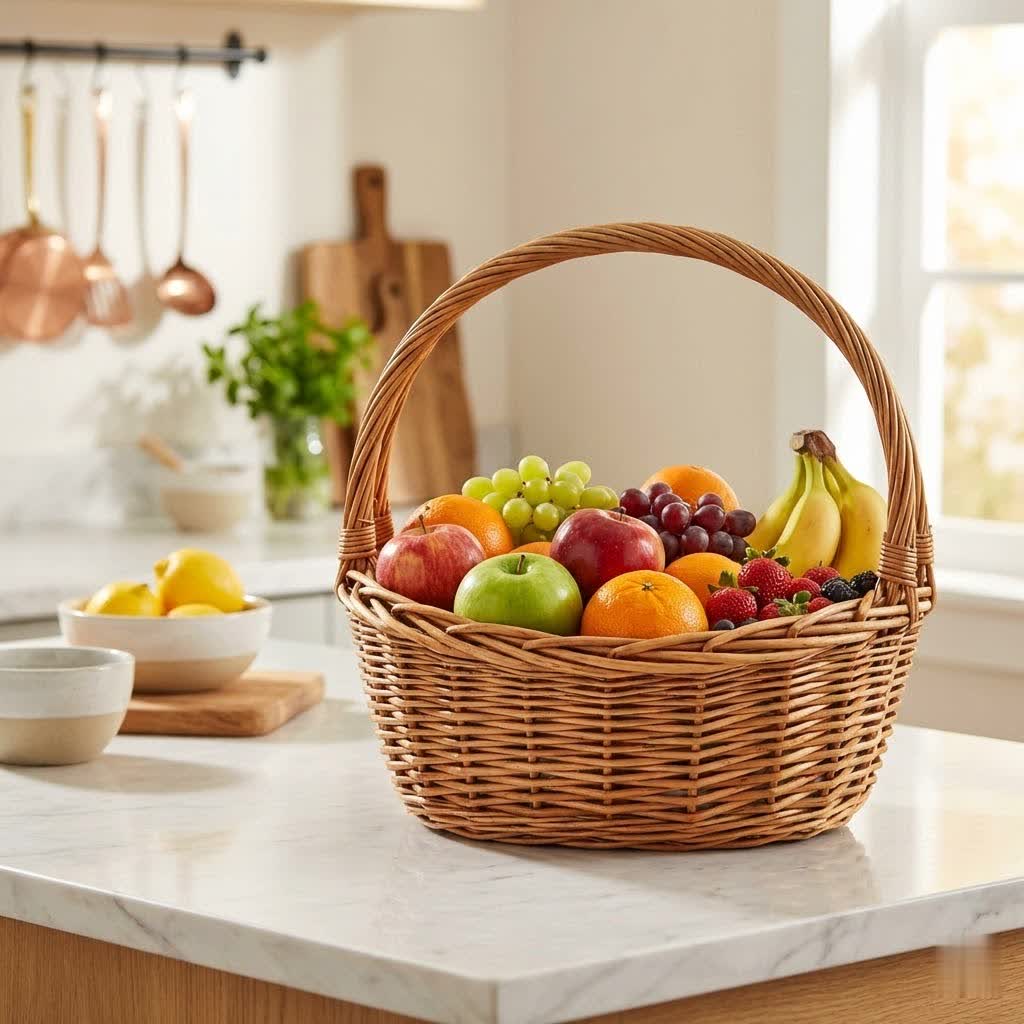
In the modern home, where space is often a premium and aesthetic appeal is paramount, the humble fruit basket has evolved from a mere container into a statement piece. A thoughtfully chosen Small Fruit Basket not only provides a practical solution for storing fresh produce but also enhances the overall ambiance of your kitchen or dining area. For those who appreciate both functionality and beauty, selecting the perfect compact fruit holder can transform an everyday necessity into a delightful decorative accent. Whether you’re aiming for a minimalist look, a rustic charm, or a contemporary flair, a small fruit basket offers versatility, encourages healthy eating, and keeps your vibrant produce within easy reach, making it an indispensable item for any well-appointed home.
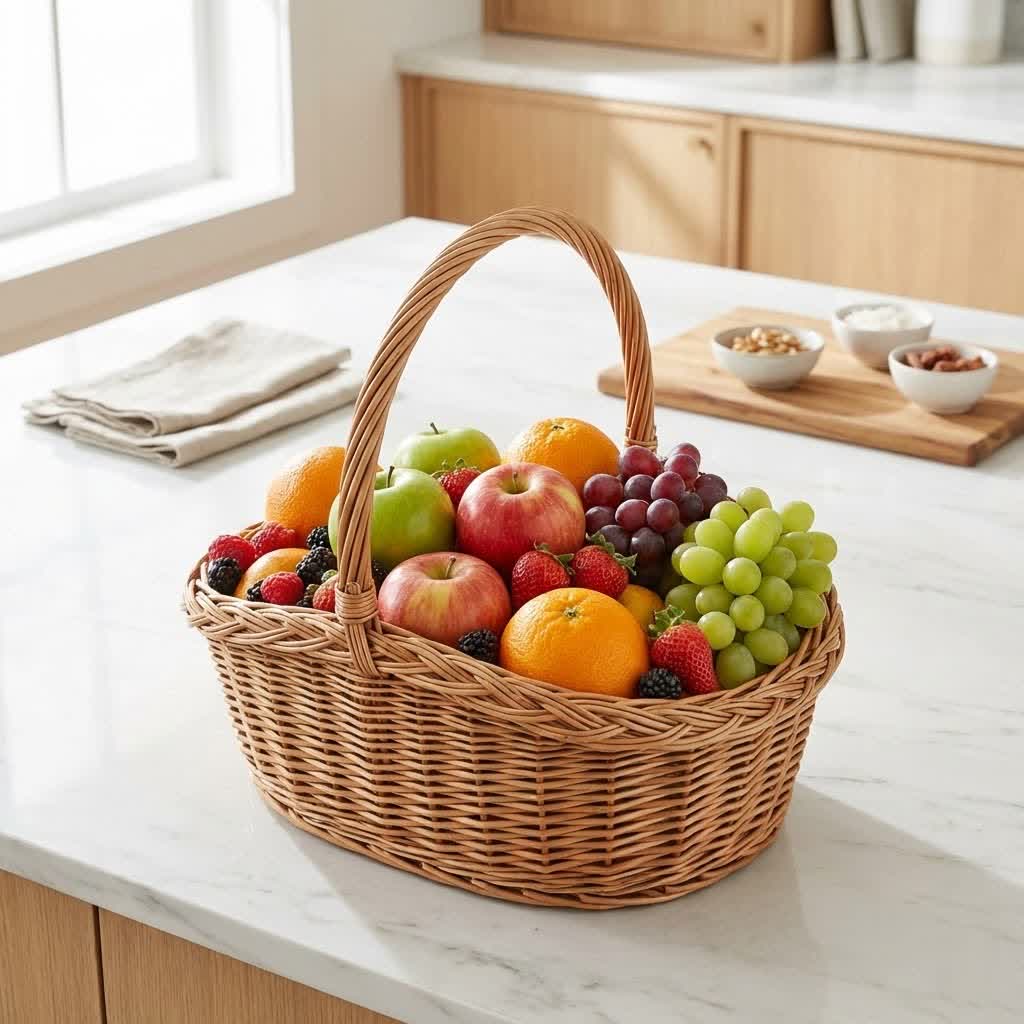
Popular Types of Small Fruit Baskets
When considering a small fruit basket for your home, the material plays a significant role in its aesthetic, durability, and how effectively it keeps your fruit fresh. Each material offers distinct advantages and disadvantages, allowing you to select one that perfectly aligns with your decor and lifestyle.
Bamboo, Wicker, and Rattan Baskets
These natural fiber baskets bring an undeniable organic warmth and rustic charm to any space. Often hand-woven, they boast intricate patterns and a lightweight structure.
- Pros: Environmentally friendly, aesthetically pleasing with a natural feel, excellent airflow helps keep fruit fresh by preventing moisture buildup.
- Cons: Can be more challenging to clean thoroughly, susceptible to mold or mildew if consistently exposed to moisture, and may not be as durable as other materials over time.
Wooden Baskets
Crafted from various woods like oak, pine, or even reclaimed timber, wooden small fruit baskets exude elegance and a timeless quality. They can range from smoothly finished contemporary designs to more rustic, farmhouse-style pieces.
- Pros: Highly durable and sturdy, adds a sophisticated touch, and wood naturally “breathes,” allowing for good air circulation around fruits. They blend seamlessly into a variety of decor styles.
- Cons: Can be heavier than other types, potentially more expensive, and may require occasional maintenance (like oiling) to preserve their finish and prevent drying or cracking. Some woods can also be susceptible to pests if not treated properly.
Metal Baskets (Wire, Stainless Steel, Powder-Coated Iron)
For a contemporary or industrial look, metal fruit baskets are an excellent choice. Wire designs, in particular, are popular for their minimalist appeal and practicality.
- Pros: Extremely sturdy and durable, offers superior ventilation due to open designs, very easy to clean and sanitize, and resistant to mold and pests. Stainless steel is rust-resistant, making it ideal for kitchen environments.
- Cons: Can be cold to the touch and might scratch delicate surfaces if not properly padded. Lower quality metals can rust over time if not well-maintained or if their coating chips.
Ceramic and Glass Bowls
While technically not “baskets,” decorative ceramic or glass bowls often serve the same purpose for small fruit displays, especially when elegance is key.
- Pros: Visually striking and can act as a beautiful centerpiece, easy to clean, and non-porous.
- Cons: Offer limited airflow compared to open baskets, which can accelerate ripening of certain fruits. They are also fragile and heavy, making them less ideal for frequent handling.
Plastic Baskets
Plastic options provide a wide array of colors and designs, often at a more affordable price point.
- Pros: Lightweight, very easy to clean, highly resistant to moisture, and available in numerous styles.
- Cons: Can sometimes look less elegant or premium than natural materials, and their eco-friendliness is often a concern. Some designs may also have limited airflow.
|
Our Picks for the Best Fruit Basket in 2026
We may earn a commission when you use one of our links to make a purchase.
|
||
| Num | Product | Action |
|---|---|---|
| 1 | 2 Tier Large Fruit Basket for Kitchen Counter with Removable Banana Hanger - Sturdy Iron Fruit Bowl for Kitchen Counter and Vegetable Holder, Fruit Holder for Kitchen Countertop, Black |

|
| 2 | Remerry 2 Pcs Scalloped Edge Round Basket Hand Woven Paper Rope Storage Basket for Shelf Nursery Room Table Organizing, Easter Party Supplies |
|
| 3 | 2 Tier Large Fruit Basket for Kitchen Counter with 2 Mobile Banana Hangers, 2026 Pro Detachable Metal Fruit Bowl with Wooden Handle, Fruit Holder for Bread Snack Veggies with Protective Mats |
|
| 4 | 2 Tier Fruit Basket for Kitchen Counter - Detachable Metal Fruit Bowl with 2 Banana Hangers for Corner , Large Capacity Fruit Stand with Wooden Handle for Fruit Bread Veggies Storage |
|
| 5 | 2 Tier Large Fruit Basket for Kitchen Counter with 2 Banana Hangers, Metal Stackable Fruit Bowl for Kitchen Counter for Bread Vegetable Fruits, Black |
|
| 6 | 3-Piece Rattan Basket Set with Lids – Handcrafted Vietnamese Woven Organizers, Tapered Design (S/M/L) (1 Pack Rectangular Open-Top, 11 Inch (28 cm)) |
|
| 7 | Auledio Iron 2-Tier Countertop Fruit Vegetables Basket Bowl Storage With Banana Hanger, Black, 64 ounces |
|
| 8 | ANTOPY 2 Tier Fruit Basket with 2 Banana Hangers, Countertop Fruit Vegetable Basket Bowl for Kitchen Counter Metal Wire Fruits Storage Stand Holder Organizer for Bread Snack Veggies Produce |
|
| 9 | 2-tier Fruit Basket Bowl,Metal Basket with Wooden Base,Fruit and Vegetable Storage with Banana Hanger,Fruit Basket for Kitchen Counter Organizer. |
|
| 10 | 3-Tier Wooden Fruit Basket – Rubberwood Countertop Produce Storage with Metal Frame – Minimal Scandinavian Design Fruit Stand for Kitchen Counter, Space-Saving Tiered Basket Organizer |
|
Each material choice influences not only the look of your small fruit basket but also its functional attributes. Consider these aspects carefully to choose a basket that perfectly complements your kitchen while keeping your fruit perfectly preserved.
Comparing Best-Selling Small Fruit Basket Styles
Beyond material, the style and design of a small fruit basket significantly impact its functionality and how it integrates into your home decor. While “best-selling models” can vary by retailer and trend, certain structural styles consistently prove popular for their practicality and aesthetic appeal. Understanding these can help you select the ideal design for your needs.
Open Wire Baskets
These baskets typically feature a skeletal, grid-like design made from spaced-out metal wires, often in circular, oval, or rectangular shapes. They usually have slightly raised bases to enhance stability and airflow.
- Best For: Apples, oranges, pears, and other sturdy fruits that benefit from maximum ventilation.
- Aesthetic: Modern, industrial, and minimalist. They allow the fruit itself to be the primary visual element.
- Pros: Excellent airflow for extended freshness, very easy to see and access fruit, and simple to clean.
- Cons: Can sometimes be less decorative if not filled artfully, and smaller fruits might slip through larger gaps.
Tiered Baskets
Tiered fruit baskets consist of two or more levels, usually stacked vertically. They are popular for their ability to hold a variety of fruits while conserving countertop space.
- Best For: Mixed fruits, allowing you to separate different types or ripening stages. Ideal for smaller kitchens with limited horizontal space.
- Aesthetic: Functional and classic, can range from rustic (bamboo) to modern (metal).
- Pros: Highly space-efficient, good for organizing different fruit types, and creates an attractive vertical display.
- Cons: Can be top-heavy if not balanced correctly, and accessing fruits on lower tiers might be slightly less convenient.
Baskets with Lids or Mesh Covers
These designs feature a flat or shallow base with a semi-circular mesh dome or a solid lid that fits snugly over the fruits.
- Best For: Protecting delicate fruits like grapes and berries from insects and dust, or for storing washed fruits.
- Aesthetic: Practical and can be rustic (cane with fabric netting) or modern (stainless steel mesh).
- Pros: Provides excellent protection against pests, helps maintain a clean appearance, and still allows for some airflow through mesh.
- Cons: Solid lids can limit ventilation, potentially accelerating ripening. Mesh can be harder to clean if fruit residue gets caught.
Decorative Bowls and Platters
These are simpler, often open-top containers made from ceramic, wood, or glass, designed to showcase fruit as a centerpiece.
- Best For: Fruits intended for quick consumption, or as a vibrant display for entertaining.
- Aesthetic: Elegant, minimalist, and versatile, fitting into almost any decor style.
- Pros: Beautiful presentation, easy to access fruit, and simple to clean (especially ceramic/glass).
- Cons: Limited airflow, which can lead to faster spoilage for some fruits. Not ideal for storing large quantities.
Comparison Table: Small Fruit Basket Styles
| Criteria | Open Wire Basket | Tiered Basket | Lidded/Mesh Basket | Decorative Bowl |
|---|---|---|---|---|
| Material | Metal (Stainless Steel, Iron) | Metal, Bamboo, Wood | Metal, Cane, Fabric | Ceramic, Wood, Glass |
| Airflow | Excellent | Good | Good (mesh), Moderate (solid lid) | Limited |
| Aesthetic | Modern, Industrial | Functional, Classic | Practical, Rustic/Modern | Elegant, Minimalist |
| Best For | Apples, Oranges, Pears | Mixed fruits, Countertop display | Grapes, Berries, Bug protection | Quick access, Centerpiece |
Choosing the right style involves balancing your need for fruit preservation, the available space in your kitchen, and your personal design preferences. Each style offers a unique way to keep your fruits fresh and beautifully displayed.
Guide to Choosing the Right Small Fruit Basket
Selecting the perfect small fruit basket involves more than just picking the prettiest design. It’s about finding a balance between functionality, durability, and how well it integrates into your daily life and home decor. Consider these factors to make an informed choice that you’ll appreciate for years to come.
1. Determine Your Needs and Space
Before you even begin browsing, think about how much fruit you typically keep on hand and where you plan to put the basket.
- Amount of Fruit: If you buy fruit frequently in small quantities, a compact basket for a few pieces is sufficient. If you purchase more, consider a tiered basket or a design with a slightly larger capacity that still maintains its “small” footprint. Avoid overcrowding, as this can lead to bruised fruit and poor air circulation.
- Display Space: Measure your available countertop, table, or shelf space. A small fruit basket should complement, not overwhelm, its surroundings. For very limited space, hanging baskets or slender, vertical designs are excellent choices.
2. Select Material and Style to Match Your Interior
The material and style of your fruit basket should harmonize with your kitchen or dining area’s existing decor.
- Modern/Industrial: Opt for sleek metal wire baskets in black, chrome, or stainless steel.
- Rustic/Farmhouse: Woven bamboo, wicker, or reclaimed wooden baskets will enhance this aesthetic.
- Traditional/Classic: Polished wood or understated ceramic bowls offer timeless appeal.
- Bohemian/Eclectic: Handcrafted natural fiber baskets or uniquely shaped metal designs can add character.
Your fruit basket can be a subtle accent or a deliberate focal point, so choose a style that speaks to your personal taste.
3. Prioritize Ventilation for Freshness
Good airflow is arguably the most crucial factor for extending the life of your fresh produce. Fruits release ethylene gas as they ripen, and proper ventilation allows this gas to dissipate, preventing premature spoilage.
- Open Designs: Wire baskets, woven natural fiber baskets, and tiered structures generally offer the best airflow.
- Avoid Enclosed Containers: While some fruits benefit from being ripened in a bag, a fruit basket for general storage should be open to the air. Even baskets with mesh covers for pest protection should still permit good air circulation.
4. Check Product Quality and Durability
Investing in a well-made small fruit basket ensures it will last and continue to look good.
- Construction: Examine the joints, welds, or weaves. Are they sturdy and secure? For metal baskets, check for smooth finishes to prevent scratches. For wooden baskets, ensure there are no splinters or rough edges.
- Stability: A good fruit basket should be stable when empty and full, preventing accidental spills.
- Finish: If painted or coated, ensure the finish is food-safe and durable enough to withstand regular cleaning and contact with fruit.
By carefully considering these aspects, you can choose a small fruit basket that not only looks fantastic but also serves its purpose efficiently, keeping your fruits fresh and your kitchen organized.
Tips for Maintaining Your Small Fruit Basket Always Clean and Beautiful
A small fruit basket is an investment in both your kitchen’s aesthetics and the longevity of your produce. Proper cleaning and maintenance are essential to keep it looking new, prevent odors, and ensure a hygienic environment for your fruits. Different materials require specific care routines.
1. Cleaning Different Types of Small Fruit Baskets
- Metal Baskets (Wire, Stainless Steel): These are generally the easiest to clean.
- Routine Cleaning: Wipe down regularly with a damp cloth to remove dust and fruit residue.
- Deep Cleaning: For stickier messes, use warm soapy water and a soft brush or sponge. Rinse thoroughly and, most importantly, dry immediately and completely with a clean towel to prevent water spots and rust, especially on iron or coated metal.
- Wooden and Bamboo Baskets: Natural materials require gentle care to prevent damage and mold.
- Routine Cleaning: Wipe with a slightly damp cloth. Avoid excessive moisture.
- Deep Cleaning: If necessary, use a very mild soap solution and a soft cloth, then rinse lightly. Immediately dry the basket thoroughly with a towel and allow it to air-dry completely in a well-ventilated area before putting fruit back in. Never soak these baskets. Occasionally, you might apply a food-safe mineral oil to wooden baskets to preserve their luster and prevent drying.
- Plastic Baskets: Highly durable and moisture-resistant.
- Cleaning: Wash with warm soapy water, a sponge, or a brush. Rinse well and air dry or wipe dry. These can often be put in a dishwasher on a gentle cycle, but always check manufacturer instructions.
- Ceramic and Glass Bowls: Non-porous and very hygienic.
- Cleaning: Easily washed with warm soapy water or placed in the dishwasher. Ensure they are fully dry before use.
2. Preventing Mold, Pests, and Premature Spoilage
Maintaining freshness and hygiene goes beyond just cleaning the basket itself.
- Ensure Proper Airflow: This is the golden rule for fruit storage. An open-design basket allows ethylene gas (a natural ripening agent produced by many fruits) to dissipate, preventing a build-up that can prematurely ripen and spoil other fruits.
- Don’t Wash Fruits Until Ready to Eat: Washing fruits before storing them in the basket can introduce excess moisture, creating an ideal environment for mold and bacterial growth. Wash them just before consumption.
- Remove Spoiled Fruit Immediately: One bad apple can spoil the bunch, quite literally. Overripe or spoiled fruits release more ethylene gas and can quickly contaminate others in the basket. Inspect your fruit regularly and discard any that show signs of spoilage.
- Avoid Overcrowding: Give your fruits space to breathe. An overcrowded basket restricts airflow and can lead to bruising, which accelerates spoilage. If you have too much fruit, consider a second small basket or temporary storage.
- Choose the Right Location: Place your small fruit basket away from direct sunlight, heat sources (like ovens or radiators), and appliances that emit heat (like the top of the refrigerator). Consistent, moderate room temperature is best for most fruits.
- Rotate Your Produce: Practice “first in, first out.” When adding new fruit, bring the older fruit to the top so it’s consumed first.
- Separate Ethylene Producers: Some fruits, like bananas, apples, and avocados, produce more ethylene gas than others. If possible, store these separately from ethylene-sensitive fruits like berries, grapes, and leafy greens to prolong the life of the latter.
By adopting these simple maintenance practices, your small fruit basket will not only remain a beautiful focal point in your home but also an effective tool for keeping your fresh produce at its best, reducing waste, and encouraging a healthy lifestyle.
> “A small fruit basket serves as both a practical necessity for fresh produce and a delightful accent piece, reflecting your personal style in the heart of your home.” – Ava Chen, Home Decor Specialist
Buying Guide: Finding Your Ideal Small Fruit Basket
Finding the perfect small fruit basket involves a thoughtful approach, ensuring it meets your functional needs and enhances your home’s aesthetic. With countless options available, knowing what to look for and where to buy can simplify your decision-making process.
Key Factors to Consider When Buying a Small Fruit Basket:
- Size and Capacity:
- Compact Footprint: Since you’re looking for a small fruit basket, prioritize designs that don’t take up excessive counter space. Consider dimensions (diameter, height) carefully.
- Practical Capacity: While small, it should still hold enough fruit for your household’s daily consumption without overcrowding. Think about how many pieces of fruit (e.g., 3-5 apples, a bunch of bananas) you typically want to display. Overcrowding inhibits airflow and can lead to faster spoilage.
- Material and Durability:
- Long-Lasting: Invest in materials known for durability, such as high-quality metal (stainless steel, sturdy wire) or well-crafted wood/bamboo. These will withstand daily use and cleaning.
- Food-Safe: Ensure any finishes or coatings are non-toxic and food-safe, especially for direct contact with fruit.
- Ease of Cleaning: Consider how easily the material can be cleaned. Metal and plastic are generally the simplest, while natural fibers might require more delicate care.
- Style and Design:
- Aesthetic Match: Choose a style that complements your existing kitchen or dining room decor—be it modern, rustic, minimalist, or traditional.
- Ventilation: Opt for open designs (wire, woven) that allow ample air circulation. This is crucial for preventing fruit from ripening too quickly and going bad.
- Stability: A good basket should have a sturdy base to prevent tipping, even when full.
- Features: Do you need a tiered design for more capacity? A basket with a mesh cover for bug protection? Or perhaps a simple, elegant bowl?
- Price and Value:
- Budget: Small fruit baskets are available across a wide price range. Set a budget, but remember that a higher-quality basket often offers better durability and longevity, providing better long-term value.
- Value Proposition: Consider not just the initial cost, but also the material, craftsmanship, and how well it meets your needs. A cheaper basket that falls apart quickly or doesn’t keep fruit fresh isn’t a good value.
Where to Buy Your Small Fruit Basket:
- Home Goods Stores: Retailers like Crate & Barrel, Pottery Barn, or local kitchen supply stores often have a good selection of various materials and styles, allowing you to see and feel the product before purchasing.
- Online Marketplaces: Websites like Amazon, Etsy, Wayfair, or specialty kitchenware sites offer an extensive range, often including unique artisan-crafted options that might not be available locally. Reading customer reviews can provide valuable insights into quality and actual size.
- Supermarkets and Department Stores: For budget-friendly or basic options, your local supermarket or large department store may carry simple plastic or wire baskets.
- Local Artisan Markets: If you appreciate unique, handmade items and want to support local businesses, check out craft fairs or farmers’ markets. You might find a beautifully crafted wooden or woven basket with a unique story.
Tips for Finding Affordable and Quality Small Fruit Baskets:
- Look for Sales: Keep an eye out for seasonal sales or discounts at home goods retailers.
- Read Reviews: Online reviews are invaluable for gauging product quality, true-to-size representations, and durability.
- Consider Multi-Purpose Baskets: Some baskets can double as decorative storage for other items when not holding fruit, maximizing their value.
- Prioritize Function over Brand: Sometimes, a lesser-known brand offers excellent quality at a more reasonable price if you focus on the material and construction.
By following this guide, you can confidently navigate the options and find a small fruit basket that not only stores your fruit effectively but also becomes a cherished element of your home decor.
Conclusion
A small fruit basket is much more than a simple kitchen accessory; it’s a thoughtful integration of design and practicality that elevates your home environment. From the natural elegance of bamboo to the sleek lines of a metal wire design, these compact fruit holders provide essential ventilation to keep your produce fresh longer, while simultaneously serving as a charming focal point in your kitchen or dining area. By carefully considering materials, styles, and your specific needs, you can select a small fruit basket that not only complements your decor but also promotes healthy eating habits by keeping fresh fruit always visible and accessible. It’s an investment in both aesthetic appeal and a more organized, vibrant living space. So, what small fruit basket style will elevate your kitchen’s charm today?
Frequently Asked Questions
What is the ideal size for a small fruit basket?
The ideal size for a small fruit basket typically accommodates a few days’ worth of fruit for one or two people without overcrowding. It should be compact enough for countertops or small spaces, usually ranging from 8 to 12 inches in diameter, allowing good airflow without taking up excessive room.
How can a small fruit basket help keep fruits fresh longer?
A well-designed small fruit basket promotes air circulation around the fruits, which is crucial for dissipating ethylene gas—a natural ripening agent released by many fruits. Good airflow prevents moisture buildup and premature spoilage, especially when compared to storing fruits in enclosed containers or piled up.
Are certain materials better for small fruit baskets?
Yes, materials like wire, bamboo, and open-weave wood are excellent for small fruit baskets due to their superior airflow. Metal offers durability and a modern look, while natural fibers like bamboo provide a rustic, eco-friendly charm. Plastic options are cost-effective but may offer less aesthetic appeal or breathability.
Can I use a small fruit basket for more than just fruit?
Absolutely! Small fruit baskets are incredibly versatile. They can be used to store vegetables, bread, snacks, or even non-food items like keys, mail, or craft supplies, making them a multi-functional organizational tool for various rooms in your home.
How do I clean and maintain different types of small fruit baskets?
Cleaning depends on the material. Metal baskets can often be wiped with a damp cloth and dried thoroughly to prevent rust. Wooden and bamboo baskets should be wiped clean and air-dried completely, avoiding prolonged soaking. Plastic baskets can be washed with mild soap and water. Regular cleaning helps prevent bacteria and mold buildup.
What fruits are best suited for a small fruit basket?
Sturdy, non-delicate fruits that don’t bruise easily are best for small fruit baskets, such as apples, oranges, pears, and mandarins. While berries and grapes can be included, they often have a shorter shelf life and are best consumed quickly or stored separately if not for immediate use.
Where is the best place to put a small fruit basket in my home?
The best location is typically on a kitchen countertop, dining table, or a pantry shelf where it’s easily accessible and visible, encouraging fruit consumption. Ensure it’s away from direct sunlight or heat sources, which can accelerate ripening and spoilage.