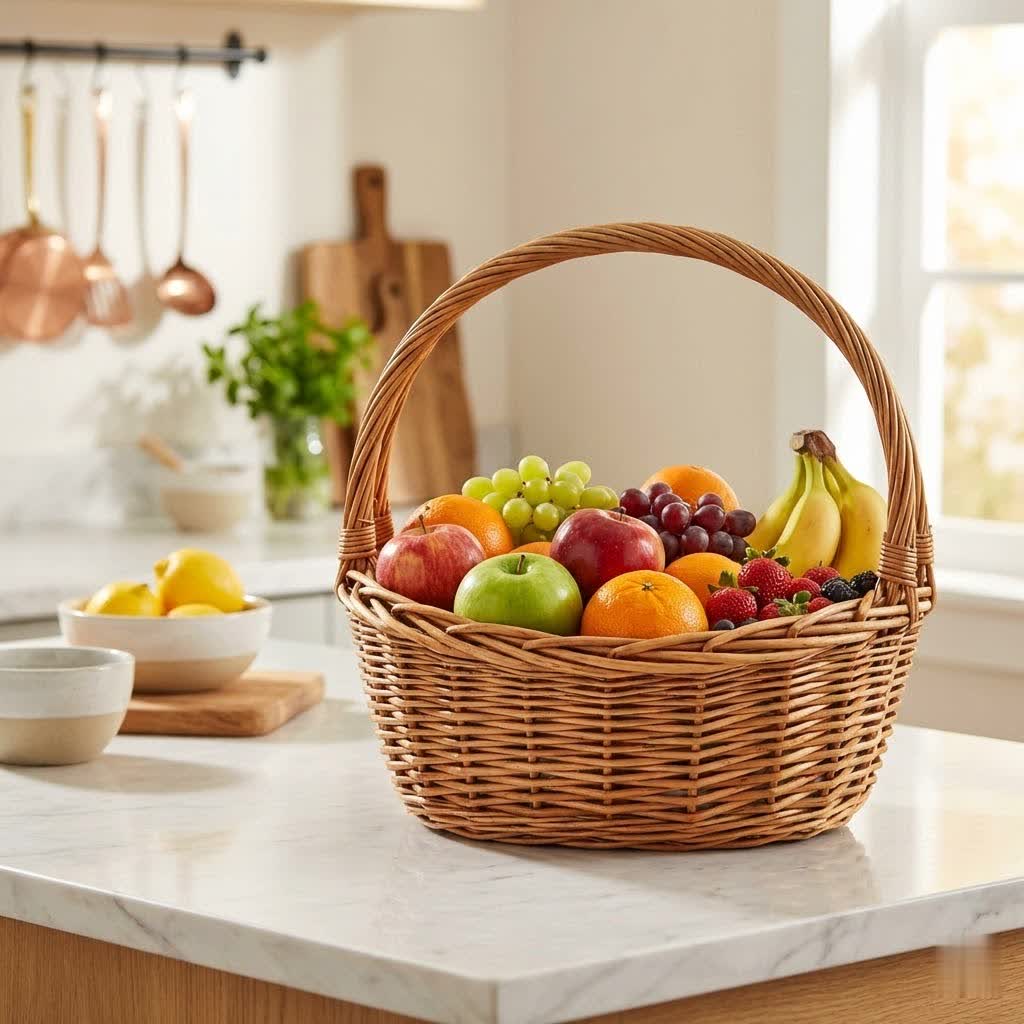
Are you tired of your fresh produce spoiling too quickly, or simply looking for a stylish way to display nature’s bounty? A well-chosen fruit basket can transform your kitchen, keeping fruits fresh longer while adding a touch of elegance to your home. But with so many options available, finding the perfect fruit basket can feel overwhelming. This comprehensive guide will help you navigate the world of fruit baskets, from understanding different materials to selecting the ideal design and mastering essential care tips, ensuring your fruits are always at their best.
Popular Types of Fruit Baskets
Fruit baskets come in a dazzling array of materials, each offering unique aesthetics and practical benefits. Understanding these differences is key to selecting one that aligns with your lifestyle and home decor.
Bamboo Fruit Baskets
|
Our Picks for the Best Fruit Basket in 2026
We may earn a commission when you use one of our links to make a purchase.
|
||
| Num | Product | Action |
|---|---|---|
| 1 | Remerry 2 Pcs Scalloped Edge Round Basket Hand Woven Paper Rope Storage Basket for Shelf Nursery Room Table Organizing, Easter Party Supplies |

|
| 2 | Auledio Iron 2-Tier Countertop Fruit Vegetables Basket Bowl Storage With Banana Hanger, Black, 64 ounces |
|
| 3 | 2 Tier Fruit Basket for Kitchen Counter - Detachable Metal Fruit Bowl with 2 Banana Hangers for Corner , Large Capacity Fruit Stand with Wooden Handle for Fruit Bread Veggies Storage |
|
| 4 | 2-tier Fruit Basket Bowl,Metal Basket with Wooden Base,Fruit and Vegetable Storage with Banana Hanger,Fruit Basket for Kitchen Counter Organizer. |
|
| 5 | 2 Tier Large Fruit Basket for Kitchen Counter with Removable Banana Hanger - Sturdy Iron Fruit Bowl for Kitchen Counter and Vegetable Holder, Fruit Holder for Kitchen Countertop, Black |
|
| 6 | ANTOPY 2 Tier Fruit Basket with 2 Banana Hangers, Countertop Fruit Vegetable Basket Bowl for Kitchen Counter Metal Wire Fruits Storage Stand Holder Organizer for Bread Snack Veggies Produce |
|
| 7 | 3-Tier Wooden Fruit Basket – Rubberwood Countertop Produce Storage with Metal Frame – Minimal Scandinavian Design Fruit Stand for Kitchen Counter, Space-Saving Tiered Basket Organizer |
|
| 8 | 3-Piece Rattan Basket Set with Lids – Handcrafted Vietnamese Woven Organizers, Tapered Design (S/M/L) (1 Pack Rectangular Open-Top, 11 Inch (28 cm)) |
|
| 9 | 2 Tier Large Fruit Basket for Kitchen Counter with 2 Banana Hangers, Metal Stackable Fruit Bowl for Kitchen Counter for Bread Vegetable Fruits, Black |
|
| 10 | 2 Tier Large Fruit Basket for Kitchen Counter with 2 Mobile Banana Hangers, 2026 Pro Detachable Metal Fruit Bowl with Wooden Handle, Fruit Holder for Bread Snack Veggies with Protective Mats |
|
Bamboo baskets are celebrated for their natural, eco-friendly appeal and lightweight construction. They bring a warm, rustic vibe to any space and are often praised for their breathability, which is essential for fruit longevity. However, they can be susceptible to mold if exposed to prolonged moisture and may require occasional oiling to maintain their integrity. Many appreciate bamboo for its sustainable origins and gentle impact on surfaces, making it a favorite for traditional or environmentally conscious homes.
Wooden Fruit Baskets
Offering a more robust and luxurious feel, wooden fruit baskets exude timeless elegance. Materials like acacia or teak provide natural beauty and excellent durability. While generally more expensive, a wooden basket can be a stunning focal point. Like bamboo, wood needs proper care to prevent mold and insect damage, often requiring regular cleaning and drying. They are ideal for creating a sophisticated atmosphere, providing both functionality and a strong decorative statement.
Metal Fruit Baskets
For those who prefer a modern or industrial aesthetic, metal fruit baskets are an excellent choice. Often made from stainless steel or coated iron, these baskets are renowned for their durability, easy cleaning, and resistance to odors and stains. Wire mesh designs, in particular, offer superior air circulation, which is crucial for preventing premature spoilage. While sturdy, metal baskets can be heavy and might scratch delicate countertops if not equipped with protective pads. They are perfect for displaying fruit in an organized, contemporary manner.
Plastic Fruit Baskets
Plastic or resin fruit baskets are perhaps the most budget-friendly and versatile option. They are lightweight, available in a vast array of colors and designs, and often dishwasher-safe for easy cleaning. However, their perceived quality can be lower than natural materials, and some designs may offer less breathability, potentially leading to faster spoilage. They are an ideal choice for outdoor use, casual settings, or for those seeking a practical, low-maintenance solution without a significant investment.
Comparing Popular Fruit Basket Features
When choosing a fruit basket, beyond the material, consider the features that enhance usability and appeal.
- Tiered or Stackable Designs: These baskets are ingenious for maximizing vertical space, especially in smaller kitchens. They allow you to separate different fruit types, which is crucial as some fruits release ethylene gas that can accelerate ripening in others. While incredibly efficient for organization, taller models require a stable base to prevent tipping.
- Hanging Fruit Baskets: A popular choice for freeing up counter space, hanging baskets add a unique, often bohemian, aesthetic. They are particularly useful in compact kitchens where surface area is limited. Installation is required, and their capacity might be less than large countertop models, making them suitable for moderate fruit storage.
- Open Wire Designs: Many metal baskets feature an open wire or mesh design. This skeletal structure provides excellent airflow from all sides, preventing moisture buildup and helping fruits ripen evenly and slowly. This design also allows for easy visibility, encouraging consumption.
Guide to Choosing a Suitable Fruit Basket
Selecting the perfect fruit basket involves balancing your practical needs with your aesthetic preferences.
First, assess your usage needs. How much fruit do you typically buy at once? If you have a large family or frequently entertain, a high-capacity or multi-tiered basket might be necessary. For smaller households, a compact single-tier basket could suffice. Consider the types of fruit you consume regularly; some, like bananas, benefit from dedicated hangers.
Next, evaluate your kitchen space and interior style. Measure your available countertop or shelf space to ensure the basket fits comfortably without overcrowding. The material and design of your fruit basket should complement your existing decor. A rustic wooden basket might be perfect for a farmhouse kitchen, while a sleek metal design suits a modern minimalist space. Remember, a beautiful fruit basket isn’t just for storage; it’s a decorative accent.
Finally, always check the product quality. Look for sturdy construction and a stable base to prevent accidental tipping, especially if you plan to store heavier fruits. Good air circulation is paramount; look for designs with wide gaps, elevated bases, or perforated patterns to ensure proper ventilation, which is critical for extending fruit freshness. Avoid baskets with rough edges that could bruise delicate fruits.
Tips for Maintaining Your Fruit Basket Clean and Beautiful
Proper care and maintenance will significantly extend the life of your fruit basket and ensure it remains a hygienic home for your produce.
For general cleaning, begin by emptying the basket completely. Take it outside or over a trash can and give it a good shake to remove any loose debris, such as dirt or fruit bits. If there’s sticky residue, a pre-soak in warm water with a little mild dish soap can help loosen grime. Then, use a soft-bristled brush, like an old toothbrush, to gently scrub all surfaces, paying attention to crevices where residue might hide. Rinse thoroughly under running water, ensuring no soap residue remains.
Sanitizing your fruit basket regularly is also important. A mixture of one part white vinegar to three parts water in a spray bottle can be an effective food-safe sanitizer. Spray the solution over the entire basket, let it sit for a few minutes, then rinse again with clean water. Always ensure the basket is completely dry before returning fruit to it, especially for natural materials like wood or bamboo, which can be prone to mold in damp conditions. Letting them air dry in sunlight is ideal.
To prevent mold and pests, avoid overcrowding your fruit basket. Allow enough space for air to circulate around each piece of fruit. Remove any overripe or damaged fruit promptly, as one bad apple can indeed spoil the whole bunch by releasing ethylene gas and attracting pests. For delicate or heavily soiled items, consider using a washable liner within your basket to protect the material. Regular dusting for wicker or rattan baskets also prevents debris buildup.
“A beautiful fruit basket is not just a utensil for holding fruit but also a decorative highlight for your kitchen space.” – Nguyen Van A, Interior Design Expert
Comparison Table
| Criteria | Bamboo Basket | Wooden Basket | Metal Basket | Plastic Basket |
|---|---|---|---|---|
| Advantages | Eco-friendly, affordable, breathable | Elegant, durable, natural appeal | Sturdy, easy to clean, modern look | Lightweight, inexpensive, diverse designs |
| Disadvantages | Prone to mold, harder to clean | Higher cost, susceptible to pests | Can be heavy, may scratch surfaces | Less luxurious, less breathable designs |
Buying Guide
When you’re ready to invest in a fruit basket, keep these factors in mind to make an informed decision.
Size and Capacity: Consider how much fruit you typically buy. A small, decorative basket might be perfect for a couple, while a large, multi-tiered one is better for a bustling family kitchen. Think about your available counter or pantry space too – a basket that’s too big can overwhelm a small area.
Material and Style: The material dictates both the basket’s durability and its aesthetic. Bamboo and wood offer natural warmth, fitting traditional or rustic decor. Metal provides a sleek, modern touch, while plastic offers vibrant colors and practicality. Choose a style that complements your home’s existing interior design, turning your fruit display into a decorative element.
Airflow and Stability: Prioritize baskets with good ventilation to keep your fruit fresh longer. Open designs, mesh, or elevated bases are excellent for this. Also, ensure the basket is stable, especially if it’s a tiered or heavy-duty model, to prevent tipping and bruising your produce.
Price: Fruit baskets range widely in price, from budget-friendly plastic options to high-end wooden or stainless steel designs. Set a budget, but remember that investing in a durable, well-designed basket can save you money in the long run by extending the life of your fruit.
You can find fruit baskets at various retailers, including home goods stores for a wide selection of styles, supermarkets for basic and affordable options, and online retailers like Amazon or specialty kitchenware sites for an extensive range and competitive pricing. Look for sales and read customer reviews to find the best value and quality.
Conclusion
Choosing the right fruit basket is more than a simple purchase; it’s an investment in the freshness of your produce and the aesthetic appeal of your home. By considering materials, design features, and proper care, you can select a basket that not only keeps your fruits organized and healthy but also acts as a charming centerpiece in your kitchen. From the rustic charm of bamboo to the sleek lines of metal, a well-chosen fruit basket truly enhances your daily life. What kind of fruit basket will best reflect your unique style and needs?
Frequently Asked Questions
How can a fruit basket help keep fruit fresh longer?
A fruit basket, especially one with good air circulation like an open-wire design or natural materials like bamboo, helps to dissipate ethylene gas. This natural gas, released by ripening fruits such as apples and bananas, can accelerate spoilage if trapped. Proper ventilation slows down this process, allowing your fruit to stay fresh for an extended period.
Should all fruits be stored in a fruit basket at room temperature?
Not all fruits are best stored at room temperature. While many, like bananas, apples, oranges, and avocados (before ripening), thrive in a fruit basket, berries and grapes prefer cooler temperatures and should generally be refrigerated. Ethylene-producing fruits should also be kept separate from ethylene-sensitive fruits to prevent premature ripening.